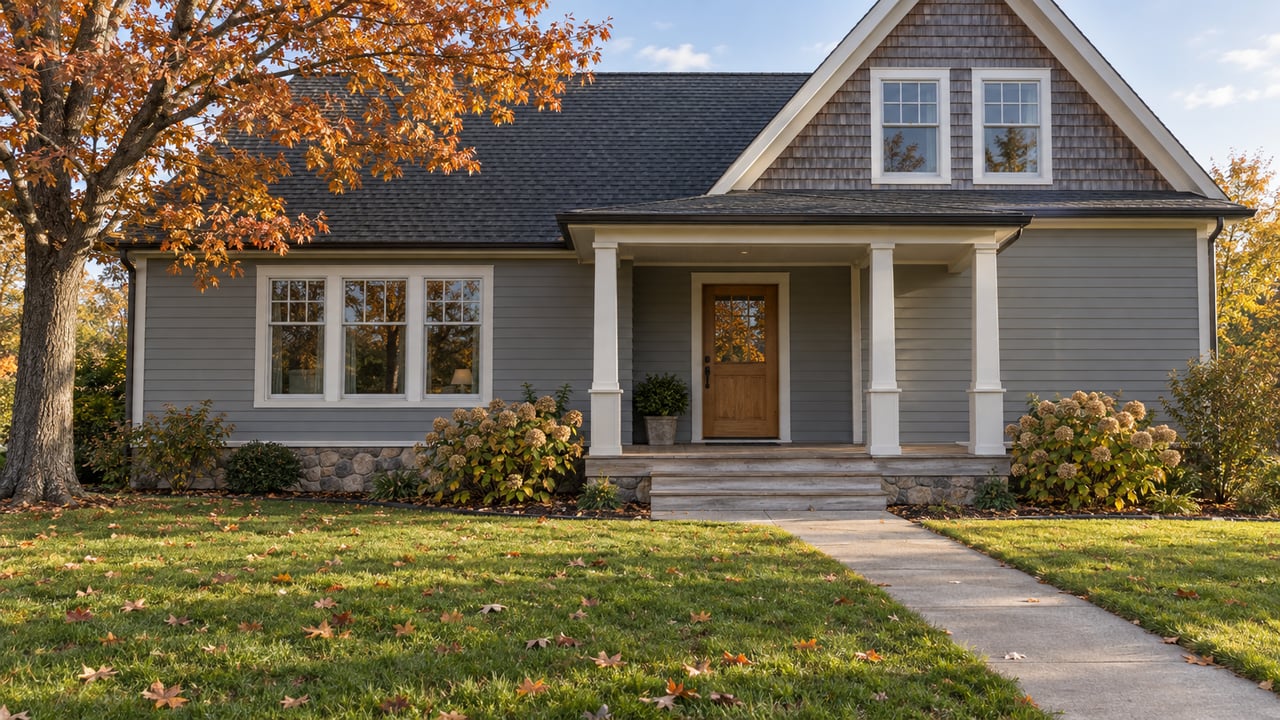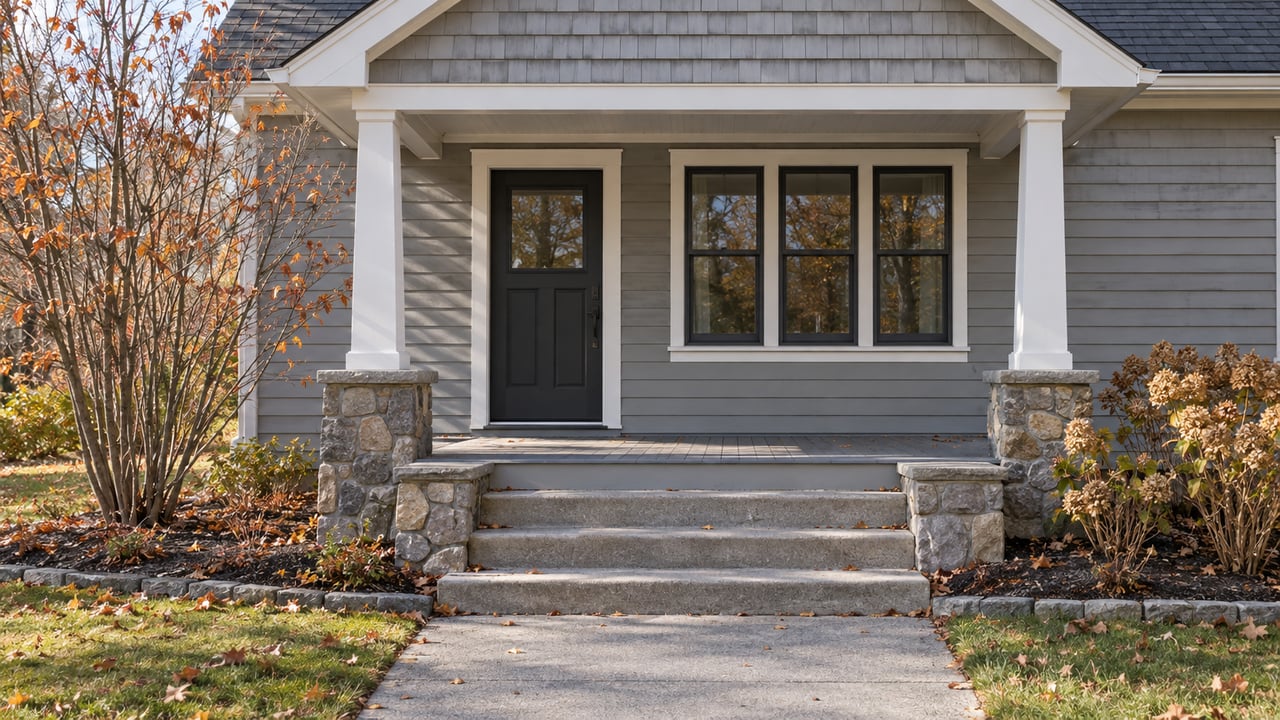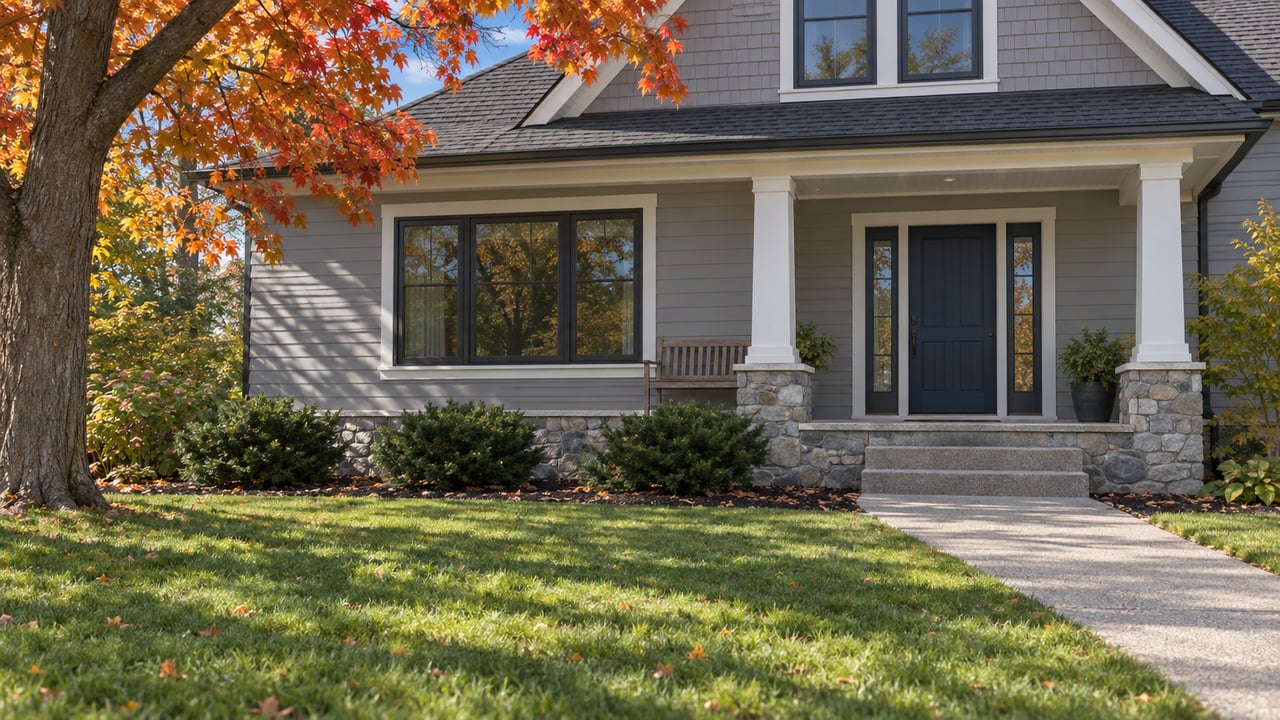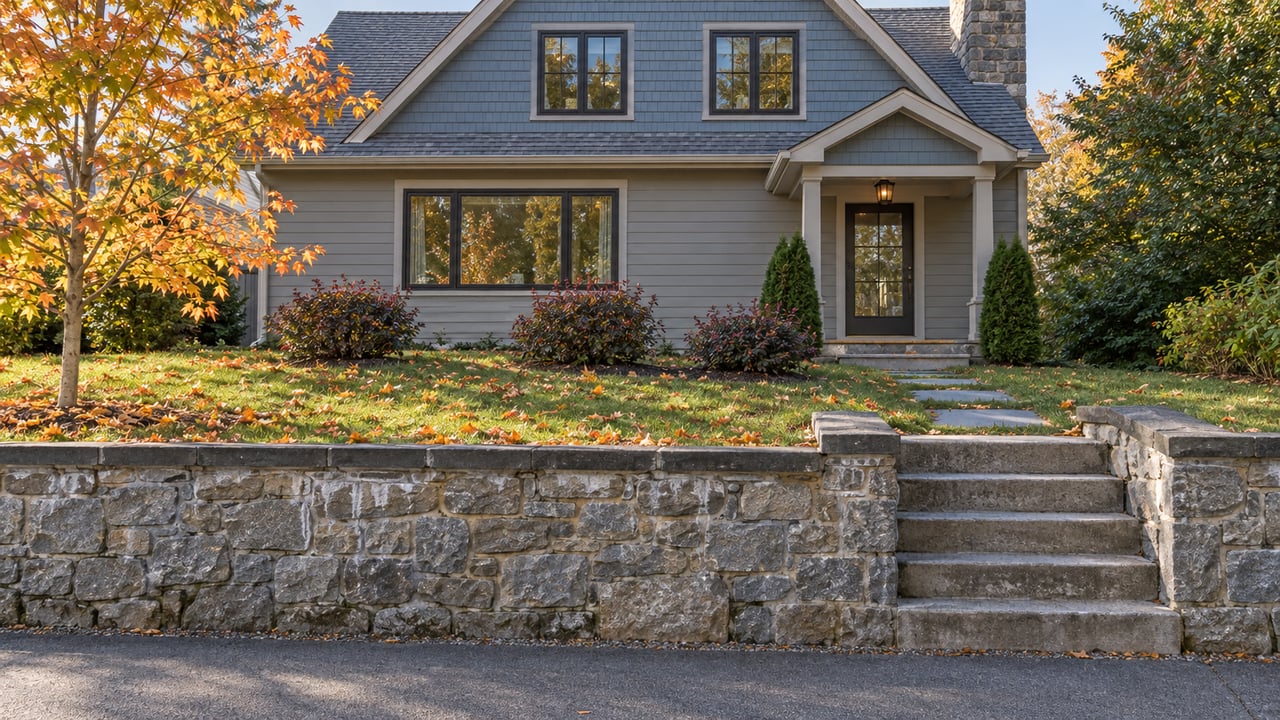
Ever wonder what it’s really like to live in Duluth day to day, beyond the postcards and lake views? If you’re thinking about moving here, buying your first home, or just trying to picture your routine in a new part of town, the answer is pretty practical: life in Duluth is shaped by the seasons, the neighborhoods, and how often the lake and trails become part of an ordinary week. Here’s a closer look at what your daily rhythm might feel like in Duluth. Let’s dive in.
Daily life feels neighborhood-driven
Duluth does not feel the same from one area to the next. The city has a distinct mix of downtown and lakefront areas like Canal Park, Endion, Central Hillside, and Park Point, plus hillside and east-side neighborhoods such as Kenwood, Congdon Park, Chester Park-UMD, and Lakeside-Lester Park. On the west side and inland, you’ll also find places like Lincoln Park, Spirit Valley, Irving, Morgan Park, Gary-New Duluth, and Fond du Lac.
That matters because your day-to-day routine can change a lot based on where you live. Some areas feel closer to downtown errands and lakefront activity, while others feel more residential or more tucked into the hills. Duluth’s zoning guidance also separates traditional residential neighborhoods from mixed-use and commercial areas, which helps explain why the city feels patchwork rather than one-note.
In the Hillside area, city research points to narrow tree-lined streets, several parks, two community gardens, steep terrain, and lake views. That gives you a sense of how specific daily life can feel from neighborhood to neighborhood. In Duluth, where you live often shapes how you move through the city, where you run errands, and what kind of setting you come home to.
Commutes are usually manageable
For many people, one of the biggest quality-of-life questions is simple: how long will it take to get where you need to go? In Duluth, the mean travel time to work is 17.3 minutes. That is short enough to make daily routines feel more manageable, whether you drive, take the bus, or combine a short drive with errands on foot.
The city covers 71.69 square miles, so you still want to think carefully about location when choosing a home. Hills, weather, and neighborhood layout can all affect how a route feels in real life. But compared with larger metro areas, many Duluth residents spend less time commuting and more time enjoying where they live.
Outdoor access is part of ordinary life
In some cities, outdoor recreation feels like a special weekend plan. In Duluth, it often feels built into everyday life. The city has 10,000 acres of public land, 42 named streams, 16 trout streams, 30 miles of paved accessible trail, 38 miles of cross-country ski trail, 85 miles of bike-optimized singletrack, and more than 150 miles of hiking trails.
Those numbers help explain why so many routines naturally happen outside. A walk after dinner, a weekend bike ride, a quick trail outing, or a stop by the water can fit into a normal schedule without much planning. If you enjoy being active or simply like easy access to open space, Duluth makes that part of daily living.
Lake Superior shapes the pace
Lake Superior is more than scenery in Duluth. It influences how people spend their time and how parts of the city feel from season to season. Warm-weather routines often center on the shoreline, especially in areas with easy lake access.
The Lakewalk is nearly eight miles of paved pedestrian and bicycle trail running from Canal Park to Brighton Beach. That makes it useful not just for sightseeing, but for regular walks, bike rides, and meeting up with friends or family. It is one of those places that can become part of your weekly routine very quickly.
Park Point is another everyday summer destination. The city highlights beach access, swimming, sand volleyball, pavilions, and a boat launch there. If you picture life in Duluth as a mix of practical routines and easy access to the outdoors, Park Point helps make that image feel very real.
Weekends often stay close to home
One thing that stands out about Duluth is how easy it is to have a full weekend without going far. Scenic drives, waterfront walks, trail time, and local stops can all happen within the city. That gives day-to-day life a more local, less rushed feel.
Skyline Parkway is a good example. The city describes it as a citywide overlook with views of Lake Superior and the St. Louis River Bay, plus access to hiking, cross-country skiing, bird watching, and other trail use. For many residents, a scenic drive or trail stop is not a big event. It is just part of how a free afternoon might unfold.
Seasonal shopping and food routines also support that local rhythm. The Duluth Farmers Market has operated since 1911 and runs Wednesdays from 2:00 to 5:00 p.m. and Saturdays from 8:00 a.m. to noon, May through October. That schedule makes it feel less like a tourist stop and more like a recurring part of summer and fall life.
Downtown also plays a practical role in errands and meetups. Visit Duluth’s shopping guide lists Duluth Coffee Company downtown, which helps illustrate how local coffee stops and small errands can fit naturally into a day in the city center. If you live near downtown or head there often, quick walks and short stops can become part of your normal routine.
Winter changes the routine, not the lifestyle
If you’re considering a move to Duluth, winter deserves honest attention. It is a major part of daily life here. NOAA’s 1991 to 2020 normals show a January mean temperature of 17.1°F, annual precipitation of 31.18 inches, and annual snowfall of 90.2 inches.
The National Weather Service in Duluth notes the city normally receives 86.1 inches of snow per season based on 1981 to 2010 normals. It also reports an average first measurable snow on October 24 and an average last measurable snow on April 26. In other words, winter is not a short season here. It shapes how you dress, drive, plan, and use your time.
That said, winter in Duluth is not only about inconvenience. It also creates a different version of city life. Spirit Mountain offers skiing, snowboarding, Nordic skiing, tubing, and mountain biking, and Duluth’s trail system includes 38 miles of cross-country ski trail.
For many people, that means the routine simply changes rather than shuts down. Summer walking becomes winter skiing. Trail time continues in a different form. If you like a place where the seasons feel distinct, Duluth delivers that in a big way.
Snow management is part of city living
A practical question many buyers ask is what winter means for roads and getting around. Duluth says it clears more than 530 miles of roadway, and residential streets are generally opened within 48 hours after snowfall subsides. That is helpful context if you are comparing Duluth to other northern cities.
You still need to expect snow as a normal part of life. Driveways, boots, winter gear, and storm awareness all become part of your routine. But city systems are built around that reality, which helps make winter living more predictable.
Waterfront and hilltop areas can feel different
Duluth’s geography adds another layer to daily life. The lake, the hills, and changing elevation all shape how a neighborhood feels. Even seasonal timing can vary depending on where you are.
The National Weather Service notes that the average first fall frost at Duluth Harbor is around October 2, compared with September 13 at the airport. That helps explain why waterfront areas can feel a little different from hilltop neighborhoods in early fall. Small differences like that can affect gardening, outdoor comfort, and how quickly the seasons seem to arrive.
Downtown living offers walkable options
If you want a more connected routine, downtown has useful infrastructure. The DTA serves Duluth, Superior, Proctor, and Hermantown, and its downtown Transportation Center acts as the main hub. The system also notes 3.5 miles of skywalk connections across downtown.
That setup can make downtown errands easier on foot or by transit, especially during colder months. If your lifestyle includes regular stops for coffee, appointments, shopping, or commuting through the city center, downtown can offer a more walkable day-to-day pattern than other parts of Duluth.
Community identity stays visible
Duluth’s neighborhood identity is not just about maps. It also shows up in community life. The city lists active community clubs in Gary-New Duluth, Harrison, Irving, Lakeside-Lester Park, Morgan Park/Smithville, and Park Point, with regular monthly or quarterly meetings.
That suggests many parts of the city have their own local rhythm and civic involvement. For you, that can mean a stronger sense of place and a better chance of feeling connected to where you live. Duluth is large enough to offer variety, but many neighborhoods still keep a community-centered feel.
What this means for homebuyers
If you are thinking about buying in Duluth, the biggest takeaway is that lifestyle fit matters as much as square footage. Your routine may look very different depending on whether you want easier downtown access, more of a residential neighborhood setting, closer lake access, or a location that makes trail use part of everyday life.
It also helps to think seasonally. A home that feels ideal in July should also make sense in January. Commute patterns, snow management, access to amenities, and the feel of the neighborhood across the full year all matter when you are deciding where to live.
That is where local guidance makes a difference. Duluth is not a one-size-fits-all city, and the best fit often comes from matching your real routine to the right part of town.
If you’re exploring homes in Duluth or trying to figure out which neighborhood best fits your lifestyle, Michelle Ryan can help you make sense of the details and move forward with confidence.
FAQs
What is everyday life like in Duluth, MN?
- Everyday life in Duluth is shaped by neighborhood identity, seasonal weather, and easy access to Lake Superior, parks, and trails.
How long are commutes in Duluth, Minnesota?
- The mean travel time to work in Duluth is 17.3 minutes, which is relatively manageable for many residents.
How much snow does Duluth, MN get each year?
- NOAA reports annual snowfall of 90.2 inches, and the National Weather Service says Duluth normally receives about 86.1 inches of snow per season based on older normals.
What are popular outdoor activities in Duluth?
- Common activities include walking the Lakewalk, hiking, biking, cross-country skiing, visiting Park Point, and spending time on the city’s many public trails and open spaces.
Does Duluth feel more urban or more neighborhood-based?
- Duluth tends to feel neighborhood-based, with distinct areas that vary in setting, access, terrain, and daily rhythm.
Is downtown Duluth easy to get around without driving?
- Downtown Duluth can support walking and transit use, with the DTA hub downtown and 3.5 miles of skywalk connections in the city center.