Trying to find a starter home in Duluth can feel confusing fast. One price report says one thing, another says something else, and the homes you can actually afford may look very different from the polished listings you had in mind. If you are hoping to buy your first place in Duluth, the good news is that there are realistic paths into the market. You just need a clear picture of where to look, what to expect, and how to weigh your options. Let’s dive in.
What Counts as a Starter Home in Duluth?
In Duluth, a starter home usually means something practical, not perfect. According to the City of Duluth’s 2025 housing needs analysis, detached single-family homes priced below $300,000 are generally considered entry-level. That gives you a useful local benchmark as you start your search.
That benchmark matters because citywide price numbers can be misleading. In March 2026, Realtor.com described Duluth as a balanced market, with homes selling for about asking price on average and a median of 27 days on market. At the same time, broader city price measures vary by source, which is why neighborhood-level pricing is often more helpful for first-time buyers than one big citywide average.
Another important reality check is affordability. The same City of Duluth study estimates a household would need about $97,261 in annual income to afford a $300,000 home. That does not mean you should stop searching if your budget is lower, but it does mean your search may need to focus on lower price points, smaller homes, or homes that need some updates.
Why Duluth Starter Homes Are Often Older
If you picture a starter home as a brand-new house with modern finishes, Duluth may surprise you. The city’s housing stock is older than average, and that shapes what first-time buyers usually find. About 43% of Duluth housing units were built before 1940, and about 30% were built between 1950 and 1979.
That older housing stock is one reason resale homes tend to dominate the starter-home market. The City of Duluth reports that new detached single-family construction has a median price of $529,450. For most first-time buyers, that pushes new construction out of the starter-home range.
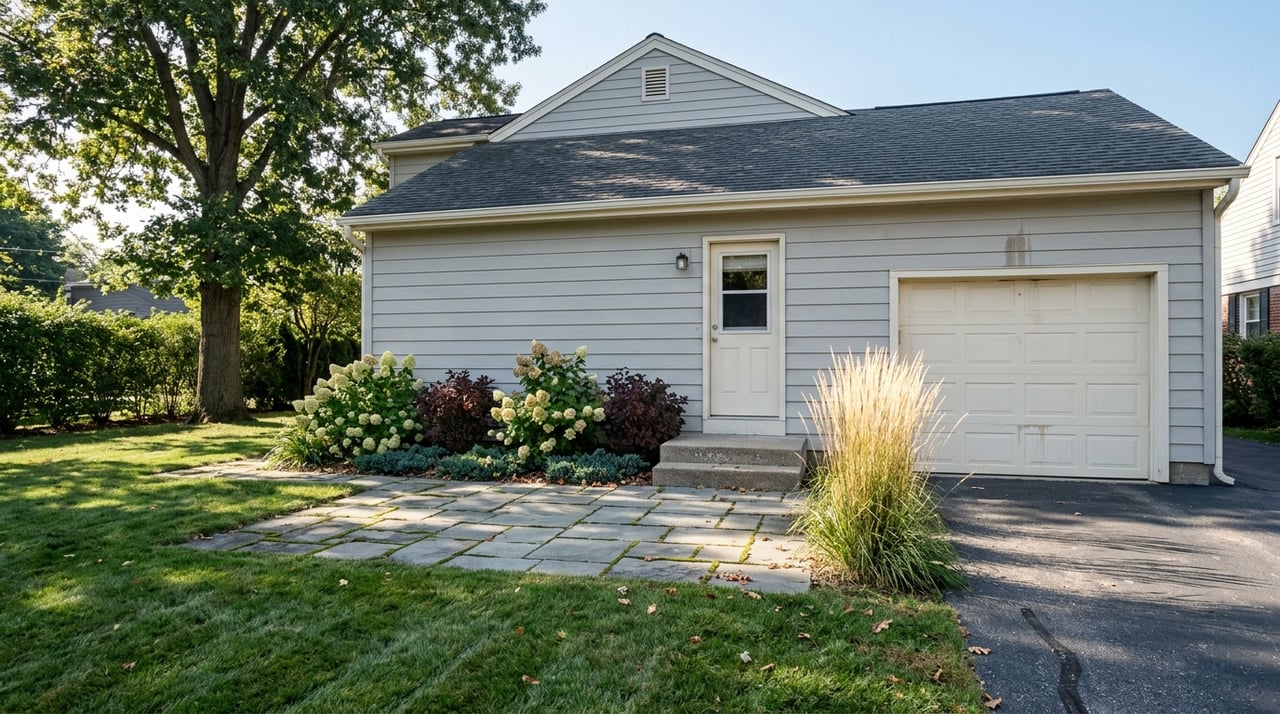
In practical terms, your first home in Duluth may be a smaller older house with solid basics but dated finishes. It may also need cosmetic work, mechanical updates, or both. In some cases, it may not even be a detached single-family home at all.
What Starter Homes Often Look Like
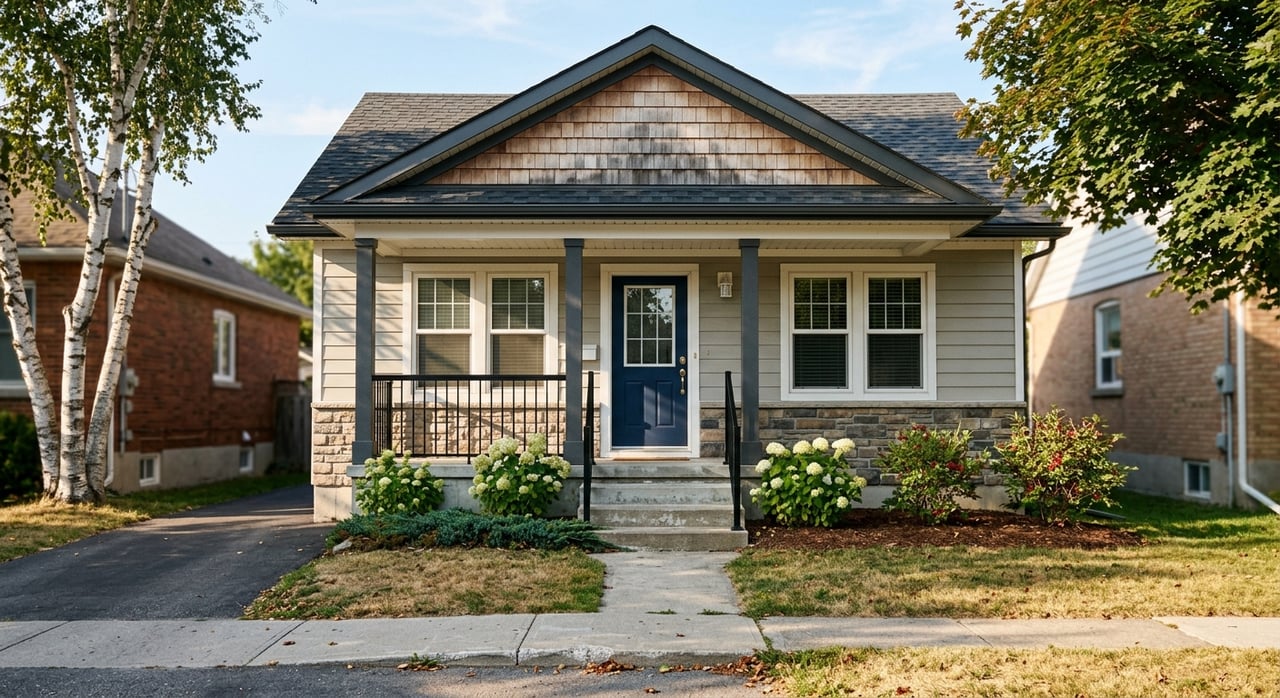
Many entry-level homes in Duluth are modest in size and simpler in layout. In older neighborhoods, you may see smaller footprints, smaller lots, enclosed or open porches, wood siding, and stone basements or foundations. These homes often reflect late-19th- and early-20th-century building styles, but for most buyers, style matters less than condition, layout, and monthly cost.
You may also come across properties that have changed over time. The City of Duluth notes that many older single-family homes have been converted into duplexes, flats, rooming houses, or boarding houses over the years. That means your search may include attached homes, duplexes, or other small multifamily options depending on your goals and budget.
This is also why flexibility matters. In Duluth, a starter home is often less about finding a polished turnkey property and more about finding a home with the right balance of price, location, and workable condition.
Where Buyers Often Start Looking
If your target is under $300,000, neighborhood choice becomes a big part of the strategy. Recent neighborhood-level snapshots from Realtor.com show some of the lower current price points in Lincoln Park, Gary-New Duluth, Cody, East Hillside, and Denfeld. These areas are often where buyers begin their search for more attainable options.
Here is a quick look at neighborhood median listing prices mentioned in the research:
| Neighborhood | Median Listing Price |
|---|---|
| Lincoln Park | $174,950 |
| Gary-New Duluth | $199,900 |
| Cody | $230,000 |
| East Hillside | $239,900 |
| Denfeld | $244,900 |
These numbers do not guarantee what you will find on any given day, but they do help show where the entry-level price band is appearing. In Duluth, the sub-$250K search often starts in west-side and inner-city neighborhoods, along with a few central or hillside pockets.
Lincoln Park is a good example of why local context matters. The city identifies it as part of West Duluth, and the surrounding residential streets connect closely to that broader area. For many first-time buyers, West Duluth and nearby west-side neighborhoods offer a practical starting point because they combine older housing stock with some of the city’s more approachable list prices.
The Tradeoffs to Expect
Starter homes in Duluth usually come with tradeoffs. The most common ones are smaller square footage, older systems, more ongoing maintenance, and fewer modern updates. If you go into the process expecting that, you will likely make better decisions and feel less frustrated.
There is also a supply challenge to keep in mind. The City of Duluth’s housing needs analysis notes that many older single-family homes have been purchased by investors and converted to rentals. That reduces the number of entry-level homes available to owner-occupants, even in areas where the housing stock looks like it should offer a lot of starter-home options.
That is why the best search strategy is usually not “find the perfect house.” A better goal is to find the right mix of condition, location, and affordability. When you know which compromise matters least to you, your search becomes much more focused.
How to Search Smarter in Duluth
A strong starter-home search in Duluth starts with a realistic price target. Using the city’s entry-level benchmark, many buyers begin by setting saved searches for homes under $300,000. From there, it often helps to sort by neighborhood and condition instead of square footage alone.
This matters because a slightly smaller home in better condition may be easier to manage than a larger one with major repair needs. It also helps you compare homes in the places where entry-level pricing is actually showing up today, rather than chasing listings in areas that rarely match your budget.
Before you get too attached to a property, it is smart to review local planning tools. The City of Duluth lists resources such as the Community Planning Map, County Land Explorer, and Historic Aerial Photography on its applications page, and all applications are now submitted online through ePlace. If a property is near lower ground, streams, or other mapped areas, checking the city tools early can help you ask better questions.
The city also states that floodplain regulations govern land uses and building construction, and the wetland and floodplain map is part of its planning resources. For buyers, that means map review is not just a nice extra. It can be an important part of understanding a home before you move forward.
Help for First-Time Buyers in Minnesota
If down payment or closing costs are one of the biggest obstacles, you are not alone. Minnesota Housing offers a Start Up program for first-time homebuyers that includes down payment and closing-cost loan options totaling up to $18,000 for eligible borrowers. When all borrowers are first-time buyers, approved homebuyer education is also required.
Programs like this can make a real difference when you are trying to move from renting to owning. They can also help you think beyond the list price alone and focus on what it will take to close and settle in comfortably.
That said, financing support does not replace a smart home search. In Duluth, many of the most attainable opportunities are still older resale homes, so it helps to pair financing planning with a clear understanding of neighborhood pricing, condition, and likely repair needs.
A Practical Starter-Home Game Plan
If you want to keep the process simple, focus on a few clear steps:
- Set your budget range using Duluth’s under-$300,000 entry-level benchmark as a guide.
- Identify likely neighborhoods such as Lincoln Park, Gary-New Duluth, Cody, East Hillside, and Denfeld.
- Decide on your tradeoffs by ranking price, condition, location, and size.
- Review city planning maps before falling in love with a property.
- Explore first-time buyer support like Minnesota Housing’s Start Up program if you may qualify.
- Stay open-minded about older homes, smaller homes, or attached and small multifamily options.
That kind of plan keeps you grounded in what the Duluth market is actually offering. It also helps you move with more confidence when the right home appears.
Why Local Guidance Matters
Starter homes are not just about price. In Duluth, they are often about reading the neighborhood correctly, spotting workable value in older housing stock, and understanding which homes fit your goals versus which ones may create extra stress. That is where local insight can make a big difference.
When you work with someone who knows Duluth block by block, you can spend less time chasing listings that do not fit and more time focusing on homes with real potential. For first-time buyers especially, that kind of practical guidance can turn a scattered search into a manageable plan.
If you are ready to start exploring starter homes in Duluth, Michelle Ryan can help you sort through neighborhoods, price points, and next steps with clear, local guidance.
FAQs
What price range counts as a starter home in Duluth, MN?
- The City of Duluth’s 2025 housing needs analysis treats detached single-family homes priced below $300,000 as entry-level.
Which Duluth neighborhoods often have lower-priced starter homes?
- Recent neighborhood pricing snapshots highlighted Lincoln Park, Gary-New Duluth, Cody, East Hillside, and Denfeld as areas where lower current listing prices have appeared.
Are most starter homes in Duluth older houses?
- Yes. The City of Duluth reports that much of the city’s housing stock was built before 1980, and many entry-level buyers focus on older resale homes rather than new construction.
Do Duluth starter homes usually need updates?
- Many do. Common tradeoffs include older systems, smaller layouts, more maintenance, and fewer modern finishes.
Are there first-time buyer programs available in Minnesota?
- Yes. Minnesota Housing’s Start Up program offers eligible first-time homebuyers down payment and closing-cost loan options totaling up to $18,000, along with required homebuyer education when all borrowers are first-time buyers.
What local tools should buyers check before buying a home in Duluth?
- The City of Duluth lists planning resources such as the Community Planning Map, County Land Explorer, Historic Aerial Photography, and floodplain-related mapping tools that can help you research a property before moving forward.