Wondering why some Duluth homes get strong interest right away while others sit and go stale? In this market, pricing is not just a number you pick. It is a strategy that shapes how buyers respond from day one. If you want to sell with less stress and fewer surprises, understanding how to price your home based on real local data can make a big difference. Let’s dive in.
Why pricing matters in Duluth
Duluth’s market can move quickly, but not every home fits the same pattern. Recent public snapshots show a median sale price of $275,858 with a median of 17 days on market in one recent reporting window, while another shows a median list price of $420,000, a sales-to-list-price ratio of 100%, and a median of 27 days on market. Those figures are useful for direction, but they are not directly comparable because the sources use different timeframes and methods.
The bigger takeaway is simple: pricing discipline matters. Duluth’s 2025 housing needs analysis found the median price for detached single-family homes rose from $184,000 in 2018 to $292,000 in 2024, while median days on market dropped from 15 days to 6 days over that same period. That tells you buyers are active, but they are still comparing value closely.
Start with local comps
The best pricing strategy begins with a comparative market analysis, often called a CMA. A strong CMA looks at recent sold homes, current pending listings, and active competition. In Duluth, that means comparing your home to nearby properties with a similar size, layout, condition, and features.
St. Louis County defines market value as the price a willing, knowledgeable buyer would pay on the open market. The county also notes that local sales of similar homes in your neighborhood, or similar neighborhoods, are used to estimate value. In other words, your home’s price should reflect what buyers are actually paying nearby, not just what you hope to get.
What good comps should match
When pricing your Duluth home, the most useful comps should be as close as possible to your property in:
- Square footage
- Bedroom and bathroom count
- Home style and layout
- Lot size
- Garage or parking
- Basement finish
- Overall condition
- Updates to key systems and finishes
A home that looks similar on paper can still attract a very different buyer response in person. That is why the details matter.
Condition carries extra weight here
Duluth has a large share of older housing stock. The city’s housing needs analysis found that 43.4% of Duluth homes were built before 1940. Because of that, buyers often look beyond bed and bath count and focus hard on condition.
If your home has newer windows, updated mechanicals, a solid roof, fresh paint, and an overall move-in-ready feel, that can help support a stronger list price. If buyers see deferred maintenance or a long project list, they will often compare your home differently, even if the square footage looks competitive.
Features buyers often weigh heavily
In many Duluth listings, pricing is shaped by practical items such as:
- Roof age
- Window condition
- Furnace or boiler age
- Electrical and plumbing updates
- Cosmetic improvements
- Garage access or off-street parking
- Basement usability
- Overall cleanliness and presentation
This is one reason citywide averages only tell part of the story. In Duluth, lot, location, and condition can carry more pricing weight than a broad median number.
Price for the market you have
It is easy to think an extra bump in price leaves room to negotiate. In practice, overpricing often works against you. Consumer pricing guidance cited in the research report notes that homes priced more than 3% over the correct price tend to stay on the market longer, and homes priced 3% to 5% above market may face longer market time and deeper later reductions.
That matters because buyers are often watching monthly payment closely. If your home is priced just a little too high, you may lose early traffic from serious buyers who would have viewed it at a more competitive number. The first wave of attention is usually your best chance to create momentum.
A smart list price should reflect
Your asking price should line up with:
- Your recent sold comps
- Your current active competition
- Pending homes that show where buyers are leaning
- Your home’s condition and updates
- Your timeline and selling goals
If you need to move quickly, a sharper price may be the better play. If you have more flexibility, you may test a slightly higher number, but it still needs to stay grounded in what the market supports.
Timing affects pricing strategy
Seasonality is real in the Duluth area. The current local days-on-market series shows median days on market at 94 in January 2026, 100 in February, 63 in March, 49 in April, and 38 in May. That pattern suggests winter listings tend to move more slowly than spring listings.
For you as a seller, that means launch timing can affect how aggressive your initial price should be. If you list in a slower winter stretch, buyers may be more selective and the market may not forgive an ambitious price. In a busier spring market, strong presentation and a well-positioned price may help you attract faster interest.
Presentation and price work together
Pricing does not stand alone. A clean, well-prepared home is easier to price confidently because buyers can see the value more clearly. Research cited in the report found that 29% of agents said staging increased the dollar value offered by 1% to 10%, and 49% reported that staging helped homes sell faster.
That does not mean every home needs a major overhaul. Often, the biggest impact comes from the basics done well.
Pre-listing improvements that can help
Before you list, focus on:
- Decluttering
- Deep cleaning
- Minor repairs
- Freshening up paint where needed
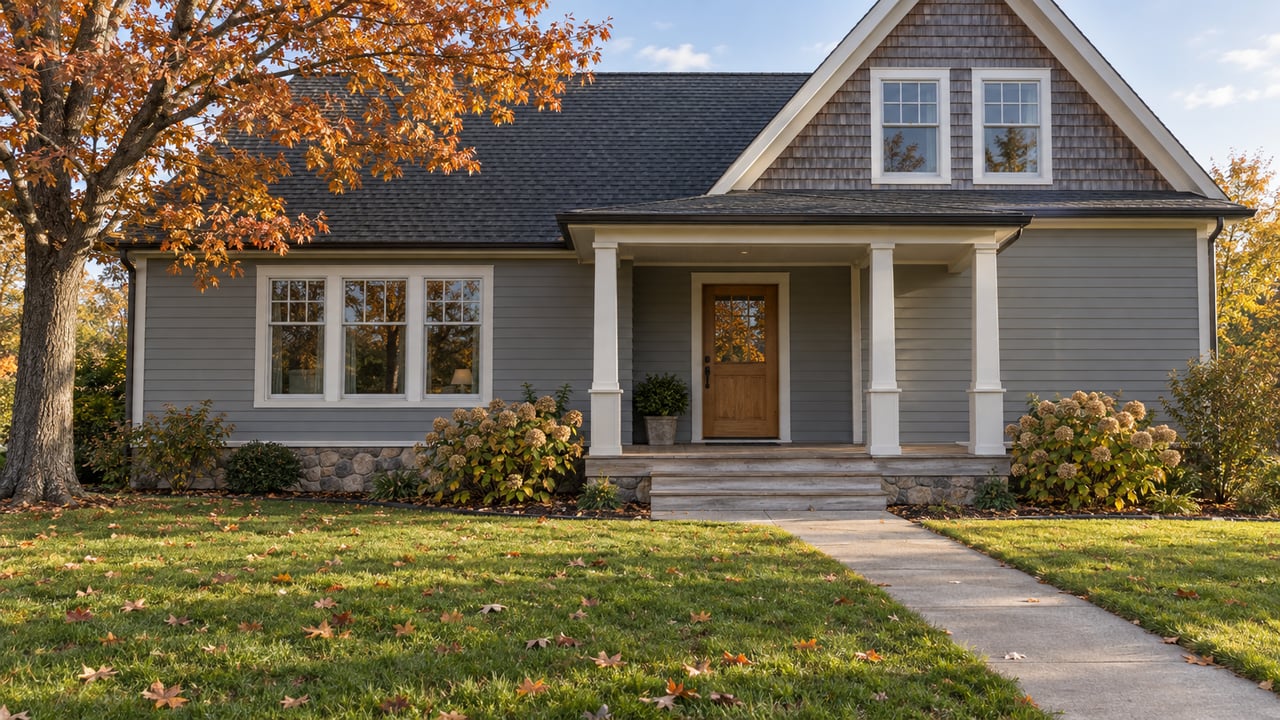
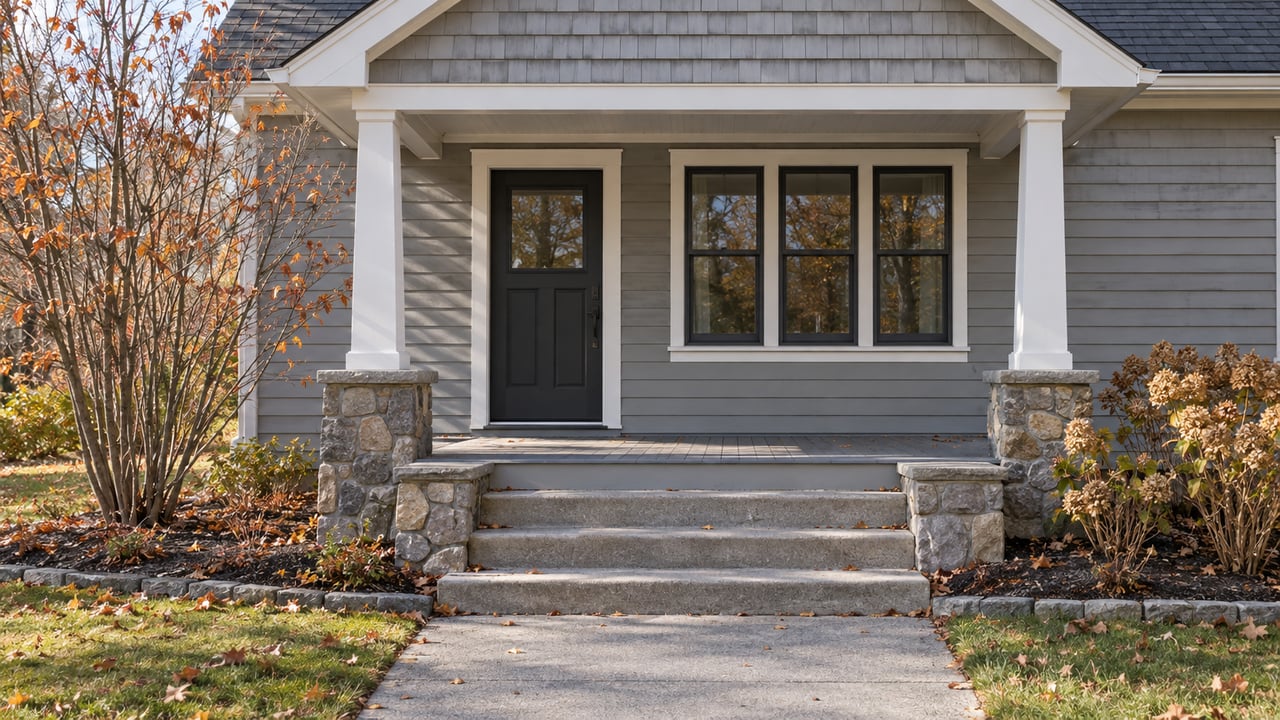
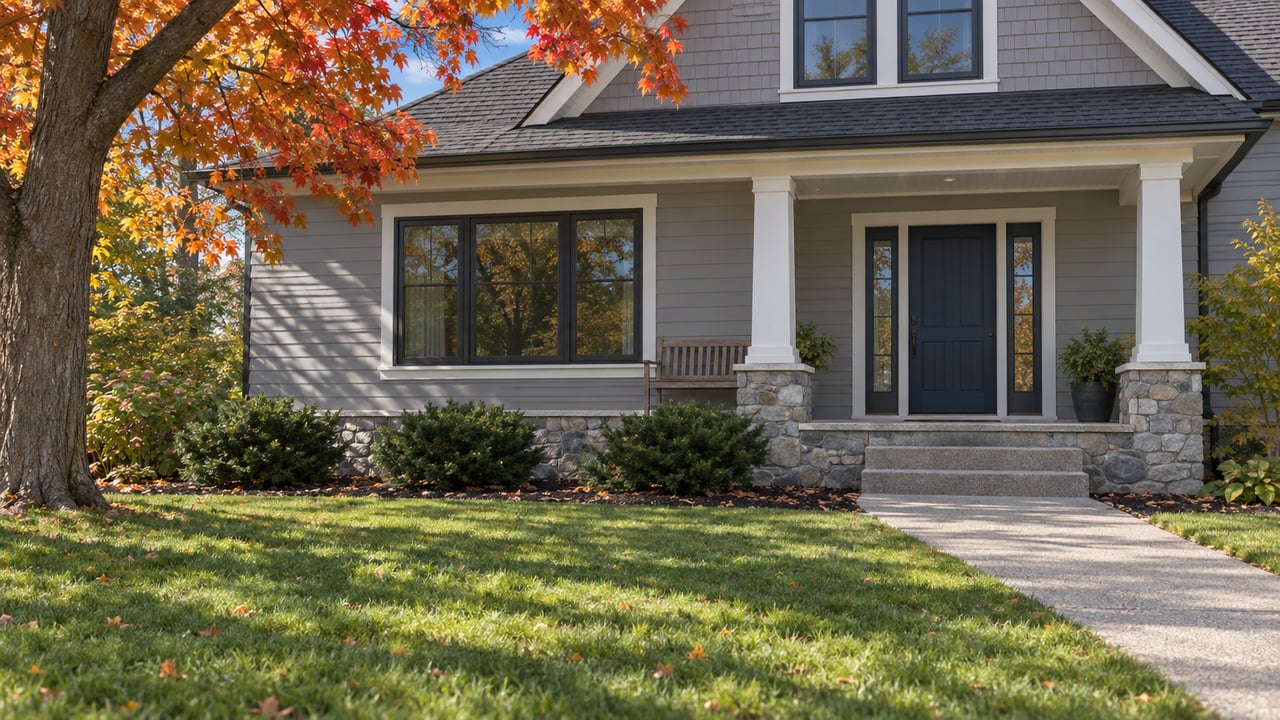
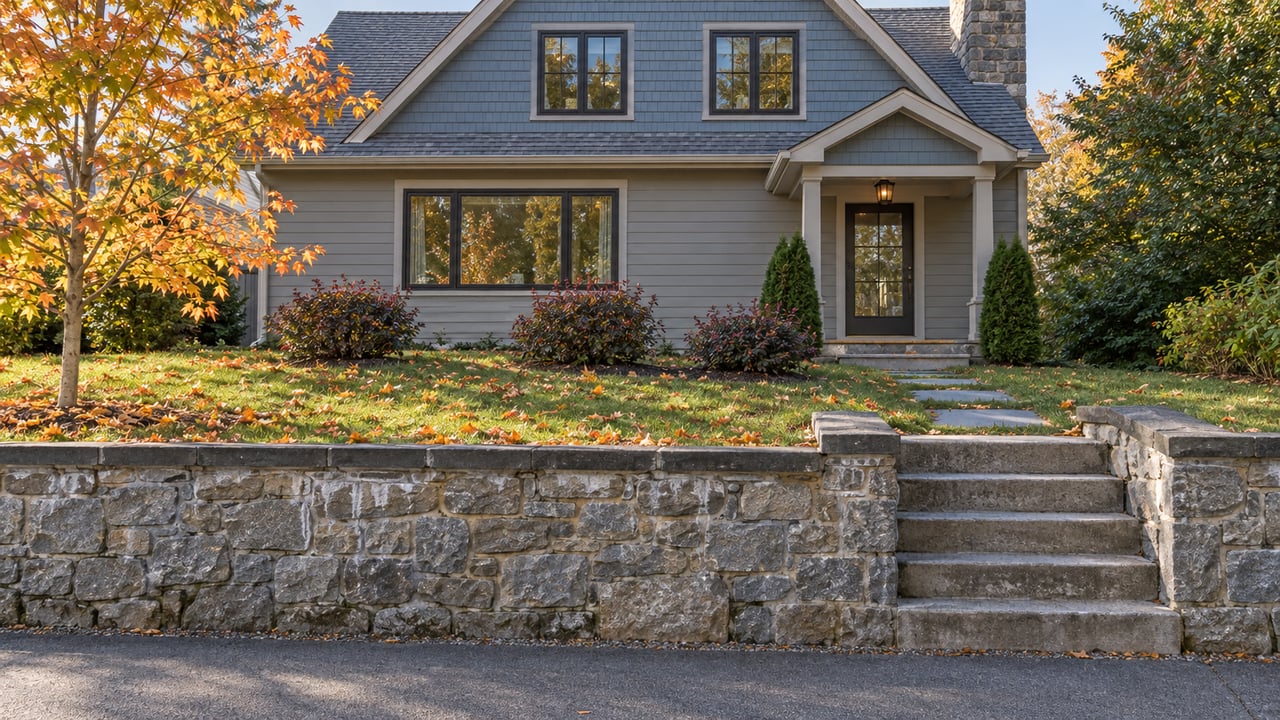
- Improving curb appeal
- Making rooms feel bright and functional
For older Duluth homes in particular, presentation can reassure buyers who may already be thinking about future maintenance. A realistic list price paired with a polished presentation is often more effective than a high price paired with obvious work left undone.
Avoid using tax value as your price guide
One of the most common pricing mistakes is relying too heavily on tax assessed value. St. Louis County’s guidance makes clear that market value is based on what a willing buyer would pay on the open market using local sales data. That is different from using a tax figure as your pricing target.
Your list price should come from current market evidence, not from a tax statement. Buyers are comparing your home to what else is available and what similar homes just sold for, not to an assessed value on paper.
Watch the first few weeks closely
The early response to your listing tells you a lot. If showings are slow, online interest is weak, or buyers are touring similar homes and choosing other options, the market may be signaling that your price is off.
Seller guidance cited in the research report says that if a home has been on the market for more than 30 days without an offer, you should at least consider lowering the price. Some guidance also suggests that if early interest is weak, a meaningful adjustment after roughly two weeks may be worth discussing instead of waiting too long.
Signs your price may need adjustment
Pay attention if you see:
- Few or no showings
- Showings without follow-up interest
- Comparable listings going pending first
- Repeated feedback that the home feels overpriced
- More than about 30 days on market with no offer
In many cases, one meaningful reduction works better than several small cuts. A clear adjustment can help your listing look fresh again and create renewed buyer attention.
Reprice using fresh local data
Pricing is not a one-time event. If new comparable sales close nearby, or if competing homes hit the market at a similar price point, your strategy may need to change. St. Louis County’s market-value guidance is a good reminder that value is driven by actual local sales.
That is especially important in a market like Duluth, where home age, location, lot characteristics, and updates can vary widely from one block to the next. Re-running the CMA after launch can help you stay aligned with what buyers are really doing, not what the market looked like a few weeks ago.
The goal is not just to list
The real goal is to sell at a price the market will support within a timeline that works for you. The right number is usually where your home looks competitive against the closest local alternatives, not where you hope the market might stretch.
That approach tends to reduce stress, limit stale-market risk, and put you in a stronger position when offers come in. In Duluth, where local nuance matters, pricing with care is one of the smartest things you can do before your home hits the market.
If you want a pricing strategy built around Duluth comps, your home’s condition, and your timeline, Michelle Ryan can help you make a confident plan before you list.
FAQs
Should I price my Duluth home based on tax assessed value?
- No. St. Louis County says market value reflects what a willing buyer would pay on the open market based on local sales of similar homes.
How much over comps can I list my Duluth home?
- Consumer pricing guidance in the research report suggests staying close to market value, since pricing more than 3% over the correct price can lead to fewer showings, longer market time, and larger later reductions.
When should I lower the price on a Duluth listing?
- If your home has weak traffic, little buyer response, or sits for about 30 days without an offer, it is a strong sign to review pricing and consider a meaningful adjustment.
What matters most in a Duluth home pricing analysis?
- The most important factors are recent sold comps, current active and pending competition, your home’s condition, and local factors like lot, location, and the realities of Duluth’s older housing stock.
Does the season affect how I should price a Duluth home?
- Yes. Local days-on-market data shows winter listings generally move more slowly than spring listings, so launch timing can affect how aggressive your first list price should be.