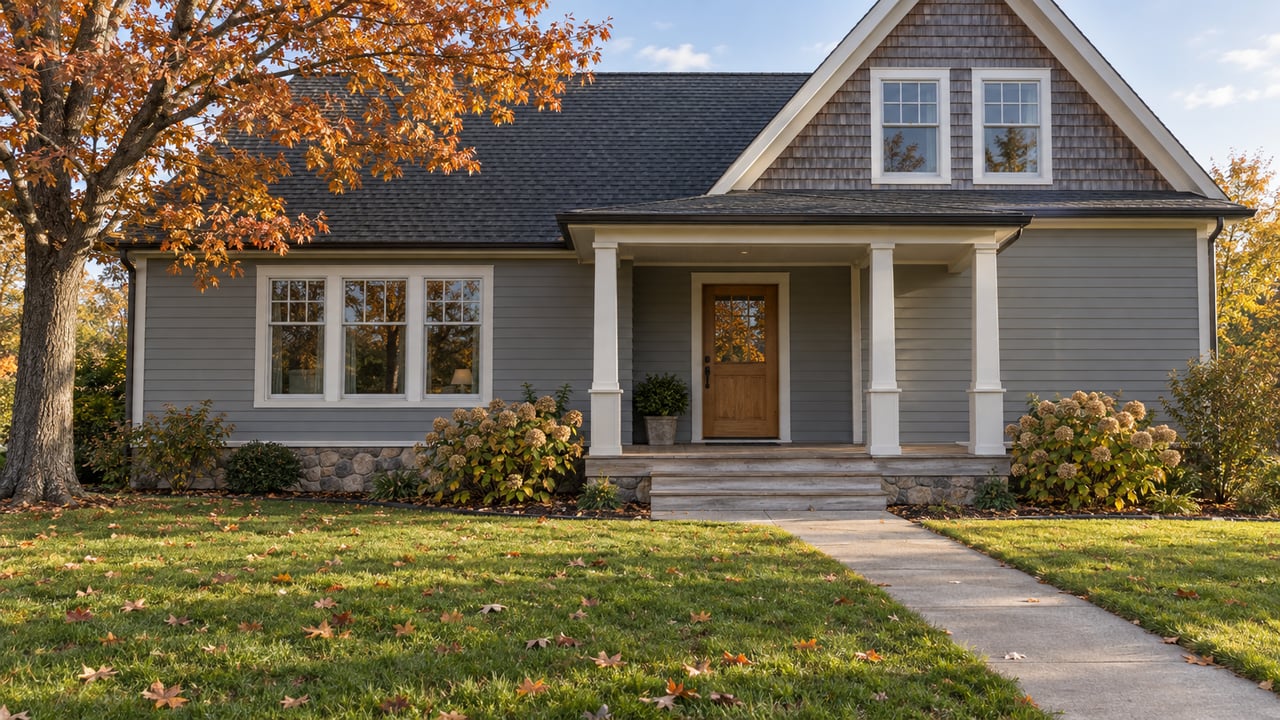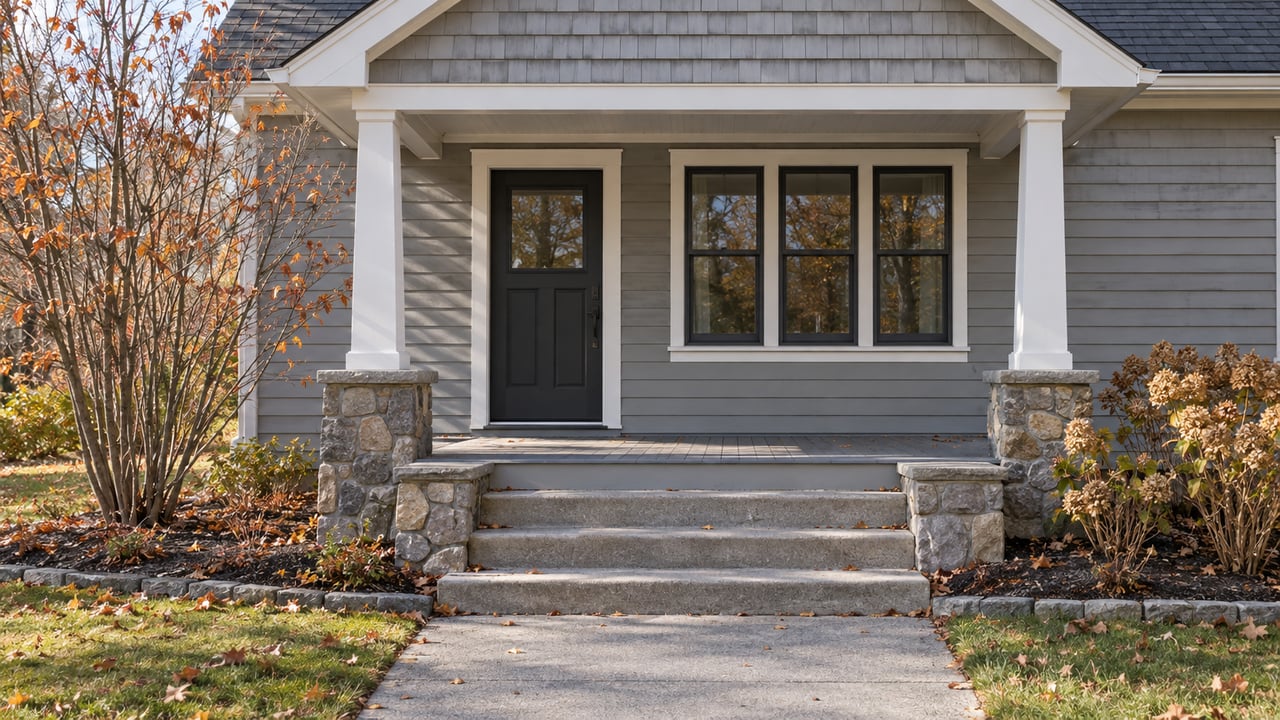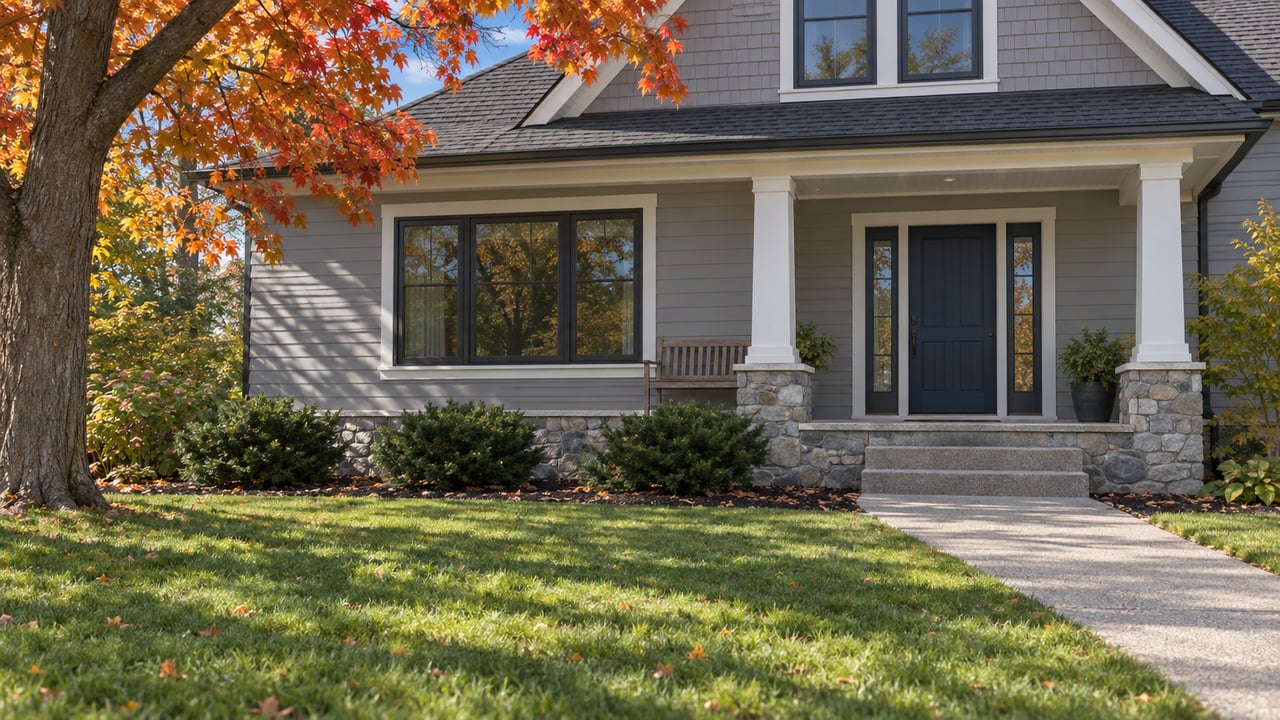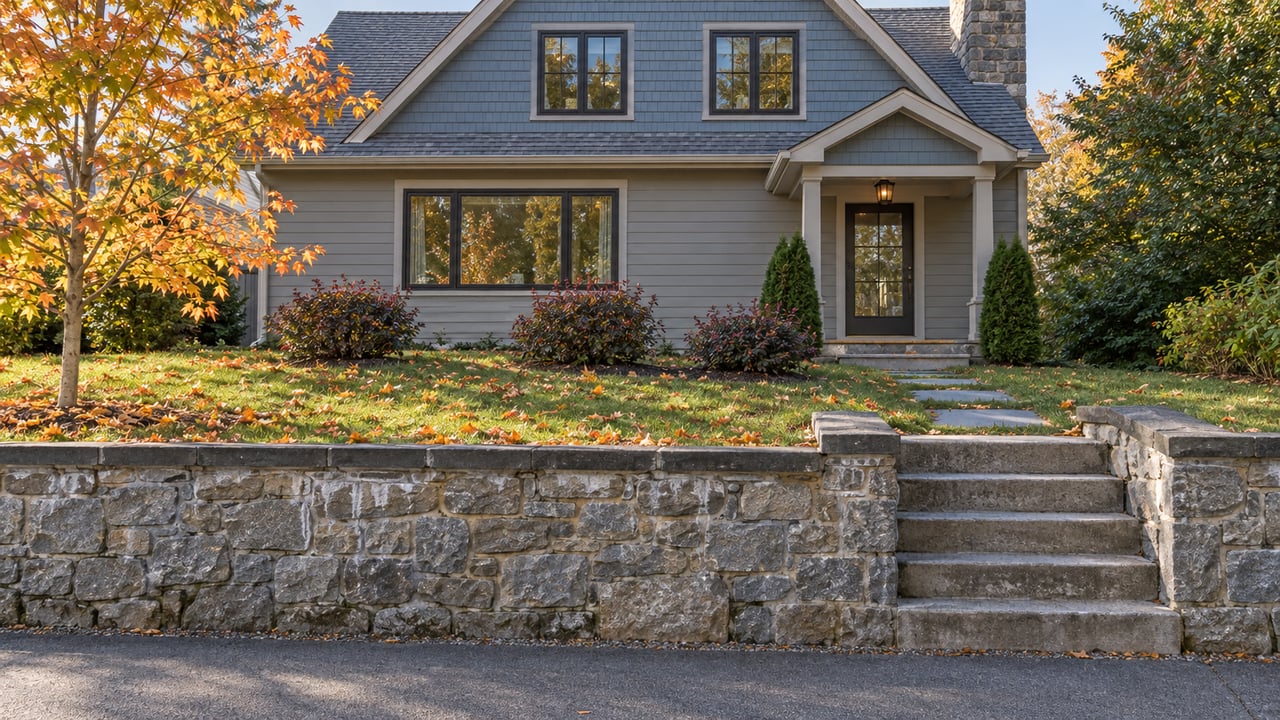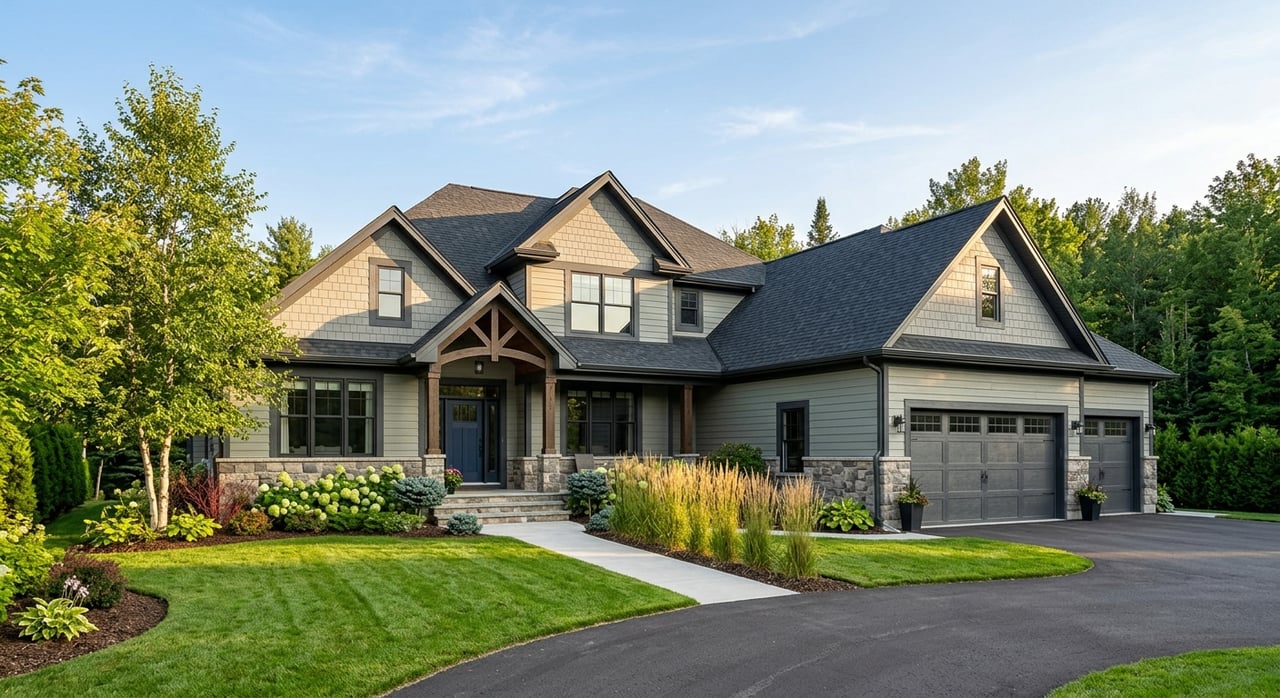
If you want a quieter home base without feeling cut off from Duluth, Hermantown deserves a close look. Relocating can feel like a balancing act between commute time, housing costs, daily convenience, and the kind of pace you want at home. This guide will help you understand how Hermantown fits into that picture so you can decide whether it matches your lifestyle and goals. Let’s dive in.
Why Hermantown Stands Out
Hermantown is a small city in St. Louis County that the city itself describes as a suburb of Duluth. As of July 2025, Hermantown had an estimated population of 10,110 spread across 34.33 square miles. That works out to a population density of 297.8 people per square mile, which gives the city a more spread-out feel than Duluth.
For comparison, Duluth had an estimated population of 88,330 in July 2025 and a density of 1,209.3 people per square mile. That contrast matters if you want close access to a larger job and service hub without living in a denser urban setting. In simple terms, Hermantown offers a more suburban layout while staying tied to the Duluth area.
What the Commute Looks Like
One of the biggest reasons people consider Hermantown is its practical commute setup. The average commute time in Hermantown is 17.7 minutes, which is very close to Duluth’s 17.3 minutes. Even though Hermantown has a much lower-density layout, the overall travel time is still similar.
That tells you something important about daily life here. In Hermantown, commuting is usually shaped less by a tight street grid and more by access to major roads. If your job, errands, or appointments line up well with the main corridors, getting around can feel straightforward.
Key Roads in Hermantown
Hermantown has 114 miles of roadways within city limits. Its main state routes are U.S. Highway 53, Highway 2, and Highway 194. The city’s planning documents also note that these routes support regional travel between Interstate 35 to the south and Highway 53 to the north.
For you, that means many daily drives are likely to be highway-based rather than neighborhood-street based. That can make commuting feel simpler, especially if you prefer direct routes over stop-and-go city driving. It also helps explain why Hermantown stays well connected to Duluth job centers.
Commuting to Duluth Jobs
If you work in Duluth, your experience may depend more on your destination than on the city line itself. Commutes can vary depending on whether you are headed downtown, to the Miller Hill area, or to another employment cluster. Duluth’s planning materials identify education and health care services, retail trade, and arts, entertainment, and accommodations as major industries in the city.
That matters because Hermantown’s road network gives you practical access to those areas. For many households, the appeal is not just being near Duluth, but being able to reach jobs, shopping, and services without giving up a more residential setting at home.
Is Public Transit an Option?
Public transit is available, but Hermantown is still best understood as a driving-oriented suburb. The Duluth Transit Authority serves Hermantown along with Duluth, Superior, and Proctor. It also operates major hubs including the Duluth Transportation Center downtown and the Miller Hill Mall Transit Hub.
That gives you a useful backup option if you want occasional bus access or need another way to get around. Still, most day-to-day commuting in Hermantown will likely be car-based. If transit is a top priority for your move, that is worth weighing carefully.
Daily Life and Errands in Hermantown
A relocation decision is not only about work. It is also about how easy life feels on a Tuesday when you need groceries, a quick errand, or a place to get outside. In Hermantown, everyday convenience is one of the city’s biggest strengths.
Shopping and Services
Much of Hermantown’s errand pattern revolves around the Miller Hill and Miller Trunk corridor. This area is a major center for shopping and services, and Miller Hill Mall includes more than 100 stores. The corridor is also a focus of Hermantown’s long-range planning for commerce, transportation, and development.
For you, that can mean fewer tradeoffs between suburban living and convenience. Instead of feeling far from day-to-day needs, you may find that shopping and services are built into your regular routes. That is a big plus for busy households.
Parks and Trails
Hermantown also offers a growing parks and trails network. Named parks include Fichtner Park and Fichtner Fields, Stebner Park, Rose Road Fields, and Keene Creek Park. These spaces add recreational options without requiring a long drive out of town.
The Hermantown Connector Trail System is another feature worth knowing. The city says it will be nearly 10 miles long when complete and is designed to connect key parts of the city, including neighborhoods, schools, the Essentia Wellness Center, and nearby communities. That helps support a lifestyle where recreation and routine destinations are more connected.
One especially useful example is the Boulder Trail. Opened in late 2021, it runs from Stebner Park through the Hermantown Marketplace area, which the city describes as a growing area for commerce and development. That blend of trail access and everyday convenience gives Hermantown a practical edge for many movers.
Local City Services
Hermantown is more than a place to sleep between trips to Duluth. The city has its own visible local services, including police, fire, public works, and a utility department. Public Works handles water, sewer, streetlights, and stormwater, while the Fire Department provides fire protection and basic medical services.
That can offer peace of mind when you are choosing where to put down roots. A city with its own infrastructure often feels more established and self-contained in daily life. For relocating households, that practical side matters just as much as curb appeal.
Housing and Lifestyle Fit
Hermantown’s housing profile leans more owner-occupied and suburban than Duluth’s. The owner-occupied housing rate in Hermantown is 73.1%, compared with 59.4% in Duluth. That difference helps explain why Hermantown often feels more residential in character.
Home values and rents also run higher in Hermantown. The median value of owner-occupied housing is $382,300, compared with $242,700 in Duluth. Median gross rent is $1,463 in Hermantown versus $1,087 in Duluth.
These numbers do not tell the whole story, but they do give you a useful early filter. If you are looking for more space, a suburban setting, and a location that many households choose for longer-term living, Hermantown may fit well. If your top priority is a lower price point or a more urban setting, Duluth may offer different advantages.
A Broader Housing Mix Over Time
Hermantown is not planning only for detached houses. Its 2045 comprehensive plan includes a range of future housing types such as single-unit detached homes, accessory dwelling units, duplexes and twinhomes, courtyard cottages and bungalows, townhomes, senior living, and both small and large apartment buildings.
That does not mean every housing type is available everywhere right now. It does show that the city is thinking about a more varied housing mix over time. For buyers and relocating households, that could mean more options as the community continues to grow.
Hermantown vs. Duluth
For many movers, the real question is not whether Hermantown is good. It is whether Hermantown or Duluth fits better. The answer usually comes down to the lifestyle you want and how you expect to spend your time each day.
Hermantown generally offers a quieter, more residential pace with lower density and a more suburban land pattern. Duluth is larger, denser, and has a broader concentration of employers, services, and transit options. Hermantown gives you close-in access to Duluth while keeping a highways-and-parks layout that many households find easier to navigate.
Here is the tradeoff in plain language: Hermantown often means more suburban feel and space, while Duluth often means a more central-city environment. Neither is automatically better. The best fit depends on your budget, your commute route, and the kind of daily routine you want.
Who Hermantown May Suit Best
Hermantown can be a strong match if you want:
- A suburban setting near Duluth
- Quick access to major highway corridors
- Strong shopping convenience around Miller Hill and Miller Trunk
- Local parks and a growing trail system
- A more residential feel than Duluth proper
It may be especially worth considering if you are relocating for work in Duluth but do not want a denser city setting. It can also make sense if you are planning to stay put for a while and want a community with a high owner-occupancy rate and visible local services.
Final Thoughts on Relocating to Hermantown
Hermantown’s biggest advantage is balance. You get a lower-density, suburban setting with practical access to Duluth jobs, shopping, and everyday services. For many buyers and relocating households, that mix makes the city feel both comfortable and convenient.
If you are weighing Hermantown against Duluth or another nearby community, it helps to look beyond the map. Think about your drive to work, your weekly errand pattern, the type of home you want, and how much space and quiet matter to you. If you want help sorting through those choices, Michelle Ryan can help you compare neighborhoods, understand your options, and move forward with confidence.
FAQs
What is the average commute time in Hermantown, MN?
- Hermantown’s average commute time is 17.7 minutes, which is very close to Duluth’s 17.3 minutes.
Is Hermantown, MN good for commuting to Duluth?
- Hermantown is well positioned for commuting to Duluth because it is connected by U.S. Highway 53, Highway 2, and Highway 194, with many trips shaped around major road corridors.
Is Hermantown, MN more suburban than Duluth?
- Yes. Hermantown has a much lower population density than Duluth and is described by the city as a suburb of Duluth, giving it a more spread-out and residential feel.
What are everyday amenities like in Hermantown, MN?
- Hermantown offers convenient access to shopping and services around the Miller Hill and Miller Trunk corridor, along with local parks, trails, and city services.
Is public transit available in Hermantown, MN?
- Yes. The Duluth Transit Authority serves Hermantown, although the city is still best understood as primarily car-oriented for daily commuting.
What is the housing market profile in Hermantown, MN?
- Hermantown has a 73.1% owner-occupied housing rate, a median owner-occupied home value of $382,300, and a median gross rent of $1,463, which points to a more owner-occupied and suburban housing profile than Duluth.