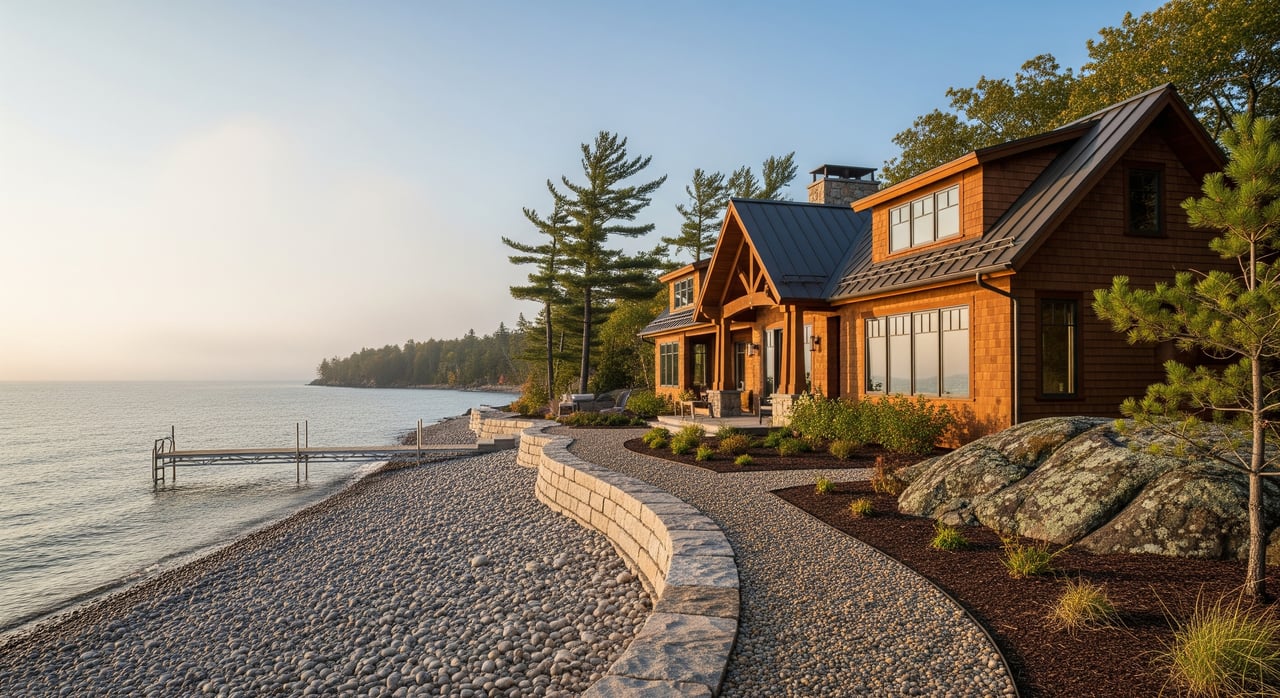
You bought near Lake Superior for the views, but the lake’s wind, moisture, and snow ask more of your home. If you want your Two Harbors property to stay strong and look great, a focused maintenance plan is your best friend. In this guide, you’ll learn what to watch, when to act, and which materials hold up along the North Shore. You’ll also get clear steps for seasonal care and shoreline considerations. Let’s dive in.
Why Lake Superior homes need extra care
Two Harbors sits on the North Shore, where strong winds, lake-effect moisture, and heavy, wet snow are common. That mix drives wind-driven rain, faster wear on exterior finishes, and an elevated risk of ice dams. Freeze and thaw cycles add stress to roofs, masonry, and pavement. Road salt on area roads can increase corrosion on low metal components and affect landscaping.
What does this mean for you? Focus on moisture control, corrosion resistance, and roof performance. Good drainage, quality flashing, and balanced attic ventilation reduce problems before they start. Choosing durable materials for the North Shore environment pays off in fewer repairs and longer life.
Choose durable materials that last here
Roofs that shed water and resist wind
Your roof takes the brunt of wind and snow. Standing-seam metal and high-quality architectural asphalt shingles are both solid choices in our climate. If budget allows, long-life systems like metal or synthetic slate can add extra durability. Whatever you choose, include ice-and-water shield at eaves and valleys, use robust flashing, and size ridge and attic vents to maintain airflow.
- Install continuous underlayment at vulnerable areas.
- Use durable flashing, such as stainless or painted copper in exposed spots.
- Consider snow guards on steeper metal roofs to manage shedding.
- Plan an annual roof inspection and check after big storms.
Siding and cladding that dry fast
Fiber-cement, engineered wood with proper finishing, and quality composites all perform well here. Well-maintained cedar can work if you accept more frequent care. The key is letting walls dry.
- Add a ventilated rainscreen or furring behind cladding.
- Keep window and door flashing robust and tidy.
- Replace failing caulk and touch up paint or stain as needed.
Fasteners and hardware that resist corrosion
Wind and moisture, plus road salt, can speed up rust on exterior metals. Use stainless steel or hot-dip galvanized fasteners and connectors, especially on decks and railings. In very exposed locations, Type 316 stainless offers added protection.
Decks, railings, and porches built to last
Capped composite decking offers low maintenance in our environment. Tropical hardwoods are durable but need thoughtful care. Properly pressure-treated wood can perform well if fasteners are compatible and you maintain the finish.
- Use stainless or hot-dip galvanized railings and connectors.
- Inspect and re-seal or re-stain every 1 to 3 years depending on exposure.
Windows and doors for cold, wet conditions
Choose insulated double- or triple-pane windows with low-E coatings. Frames that reduce condensation, such as fiberglass or well-finished wood-clad, perform well when detailed to shed water. Make sure door thresholds shed water and consider storm doors or insulated exterior doors to cut heat loss.
Foundations and drainage that keep basements dry
Good grading and drainage keep water away from your foundation. Combine exterior waterproofing with sealed penetrations. If your basement is vulnerable during spring runoff, add a sump pump with battery backup.
- Maintain positive slope away from your foundation.
- Keep downspout extensions discharging away from the house.
- Inspect for cracks or damp spots each spring and fall.
Seasonal maintenance checklist for Two Harbors
A seasonal rhythm reduces surprise repairs and protects your investment. Add these lists to your calendar.
Spring: Check for winter damage
- Inspect your roof, flashing, and vents after snowmelt.
- Clear gutters and downspouts; confirm water flows away.
- Check the attic for ice-dam staining or moisture.
- Walk the perimeter for grading issues and foundation cracks.
- Clean, repair, and re-seal decks, stairs, and railings.
- Service your AC or heat pump and confirm exterior vents are clear.
Summer: Repair, refresh, and plan
- Repair loose siding or trim and touch up paint where needed.
- Replace failing caulk around windows and doors.
- Trim vegetation and watch for early erosion on slopes.
- Flush the water heater and check for plumbing leaks.
- Plan larger exterior projects while weather is stable.
Fall: Button up before freeze-up
- Clean gutters again and test downspouts and extensions.
- Service your furnace, boiler, or wood stove; clean chimneys.
- Insulate exposed pipes; install exterior faucet covers.
- Winterize irrigation systems and store outdoor furniture.
- If you use roof heat cables, test them now, but prioritize insulation and ventilation first.
Winter: Monitor snow and moisture
- Safely remove excessive roof snow; hire pros for large accumulations.
- Keep dryer and furnace vents clear of drifts.
- Watch for signs of ice dams and indoor condensation.
- Keep walkways clear and avoid piling snow against the foundation.
- Note any corrosion or peeling paint for spring repairs.
Prevent ice dams the smart way
Ice dams form when heat in the attic warms the roof and melts snow, which refreezes at the cold eaves. The best fix is simple: keep the roof sheathing cold.
- Increase attic insulation to reduce heat loss.
- Balance intake and exhaust ventilation to move air.
- Seal attic air leaks around lights, fans, and chases.
- Use roof cables or manual removal only as short-term help.
Shoreline, bluffs, and permits
Many North Shore lots include bluffs or shoreline. Natural stabilization, including deep-rooted native plants and living shoreline methods, is often preferred and may be required. Structural measures like riprap or seawalls usually need permits.
Before you alter slopes, build retaining walls, or add shoreline structures, check with Lake County Planning and Zoning and the Minnesota DNR Shoreland Program. If you live within city limits, confirm Two Harbors permitting as well. For erosion and shoreline questions, University of Minnesota Duluth Sea Grant offers homeowner guidance.
Landscaping for wind, salt, and stability
Choose salt-tolerant, wind-hardy native plants to reduce upkeep. Staggered windbreak plantings can slow wind without putting large trees too close to the house. Avoid grading or filling that could undermine bluff stability. On steep slopes, consult an erosion-control professional.
Buying near the lake? What to inspect first
If you are under contract or thinking about a Two Harbors purchase, ask your inspector or contractor to look closely at these items:
- Roof condition, underlayment at eaves, and flashing quality.
- Attic insulation levels and ventilation balance.
- Siding and window flashing details, especially on the windward side.
- Deck connections and fasteners for corrosion.
- Foundation grading, downspout discharge, and signs of dampness.
- Sump pump presence and battery backup.
- Any bluff or shoreline issues and past erosion history.
A property can be a great fit even if it needs updates. The key is knowing what to address first and budgeting with eyes wide open.
Maintenance timeline and budget tips
Plan to clean gutters twice a year, or more if you have tree cover. Expect to repaint or complete a full exterior finish cycle every 5 to 10 years, depending on exposure and product. Decks and exposed wood often need re-staining every 1 to 3 years on the North Shore.
Schedule a roof inspection yearly and after major wind or heavy snow events. Keep a simple log for inspections, repairs, and warranties. Good records help with resale and can support insurance claims.
Working with contractors near Lake Superior
When you plan exterior projects, specify corrosion-resistant fasteners and materials. Ask contractors about their North Shore experience and how they handle wind-driven rain and drying details such as rainscreens. Confirm manufacturer warranties for coastal exposure where relevant.
For basements, discuss drainage, exterior waterproofing, and sump pump backups. For roofs, ask about ice-and-water shield coverage and attic ventilation design. Clear answers now prevent headaches later.
Peace of mind with a local guide
Owning near Lake Superior is rewarding when you plan for the elements. With the right materials and a steady seasonal routine, you protect your home’s value and enjoy the lake life with fewer surprises. If you want a practical game plan tailored to your property and your next move, reach out to Michelle Ryan for local, hands-on guidance in Two Harbors and across the North Shore.
FAQs
What makes Two Harbors home maintenance different?
- Strong winds, high moisture, heavy snow, and freeze–thaw cycles increase wear on roofs, siding, and metal components, so you focus on moisture control, roof performance, and corrosion resistance.
How can I prevent ice dams on a North Shore home?
- Improve attic insulation, balance intake and exhaust ventilation, and seal air leaks; heat cables and snow removal help symptoms but do not solve the cause.
Which roof type works best near Lake Superior?
- Metal roofs resist wind and shed snow well, while quality architectural asphalt can perform if properly installed with ice-and-water shield and robust flashing; choose based on budget and snow-management needs.
How often should I re-stain decks and exterior wood here?
- Expect every 1 to 3 years in exposed areas, with annual inspections to spot wear early; sheltered areas can last longer between coats.
Do I need special windows for lake-effect weather?
- Use high-performance double- or triple-pane windows with low-E coatings and durable exterior cladding, and ensure proper flashing to manage wind-driven rain and reduce condensation.
What should I do before any shoreline or bluff work?
- Contact Lake County Planning and Zoning and the Minnesota DNR Shoreland Program to confirm rules, setbacks, and permits; check Two Harbors city requirements if you are in town.
Does road salt increase corrosion on my home?
- Yes, road salt splash and airborne particles can speed corrosion of low-elevation metals and affect sensitive plants; use stainless or hot-dip galvanized fasteners and protective coatings in exposed areas.
What insurance coverage should I review as a lakeside owner?
- Discuss wind and water exposure, wind-driven rain, and foundation or sewer backup coverage with your insurer, and keep maintenance records to support any future claims.