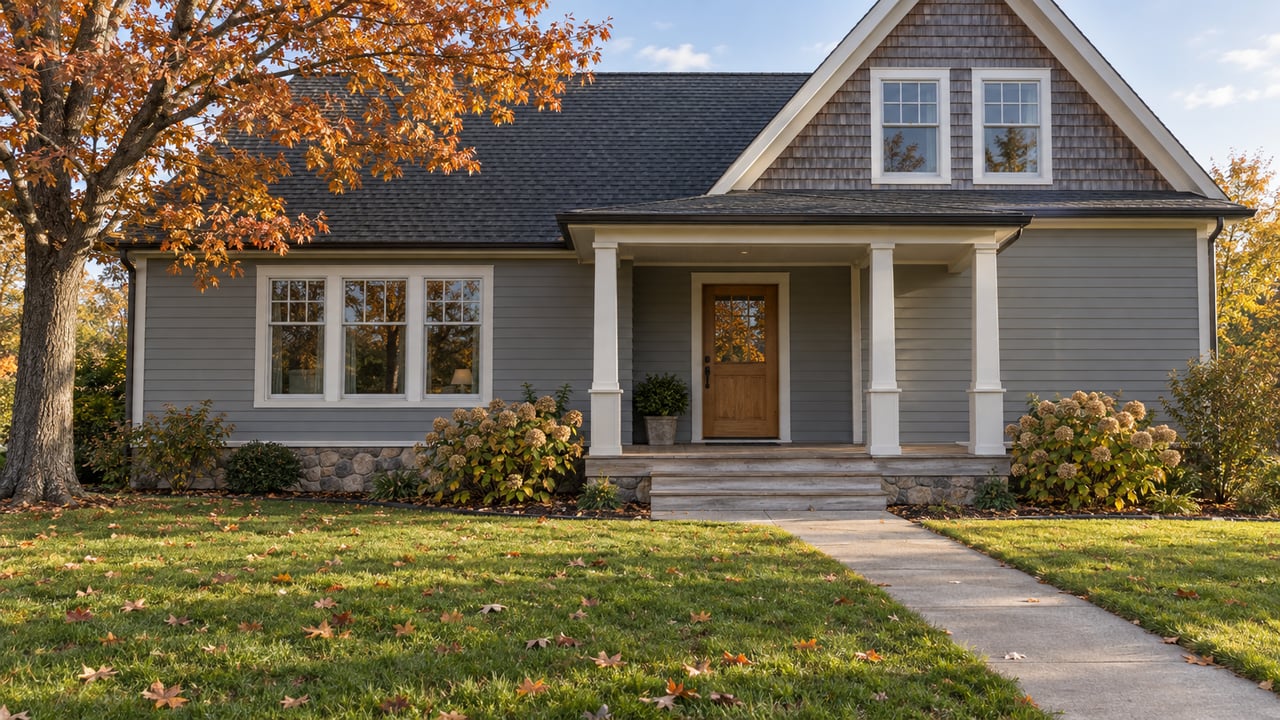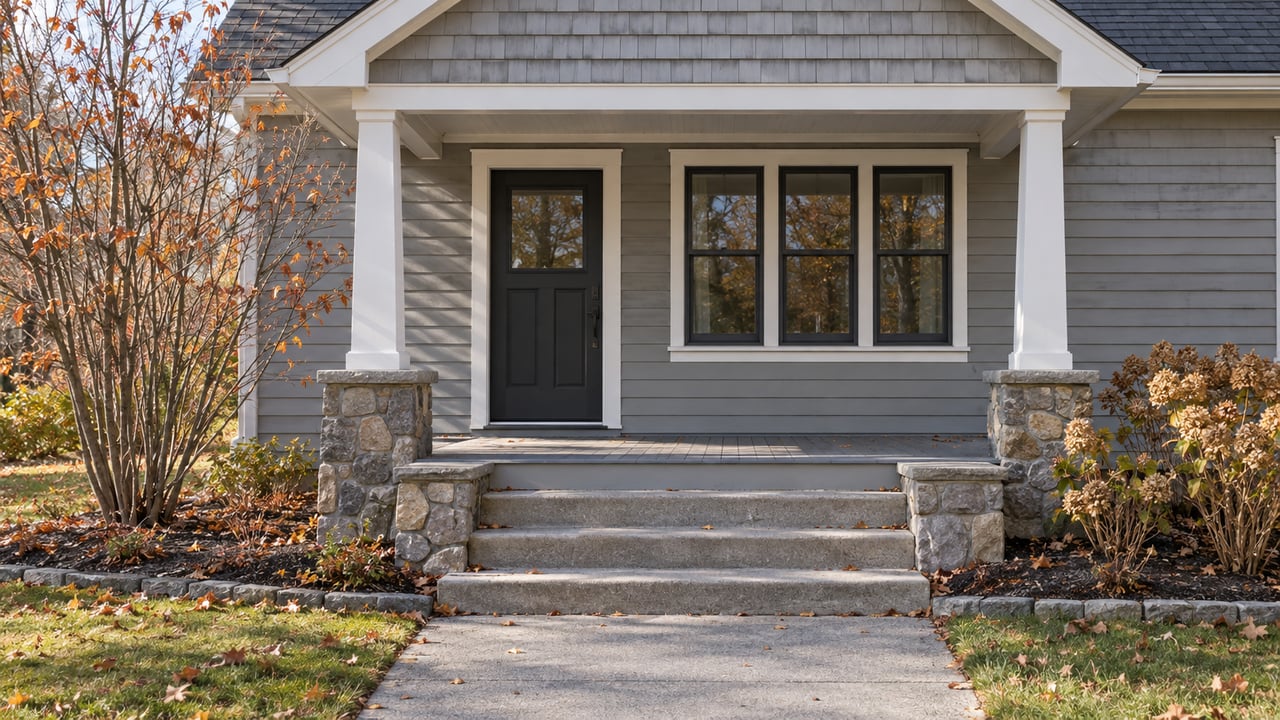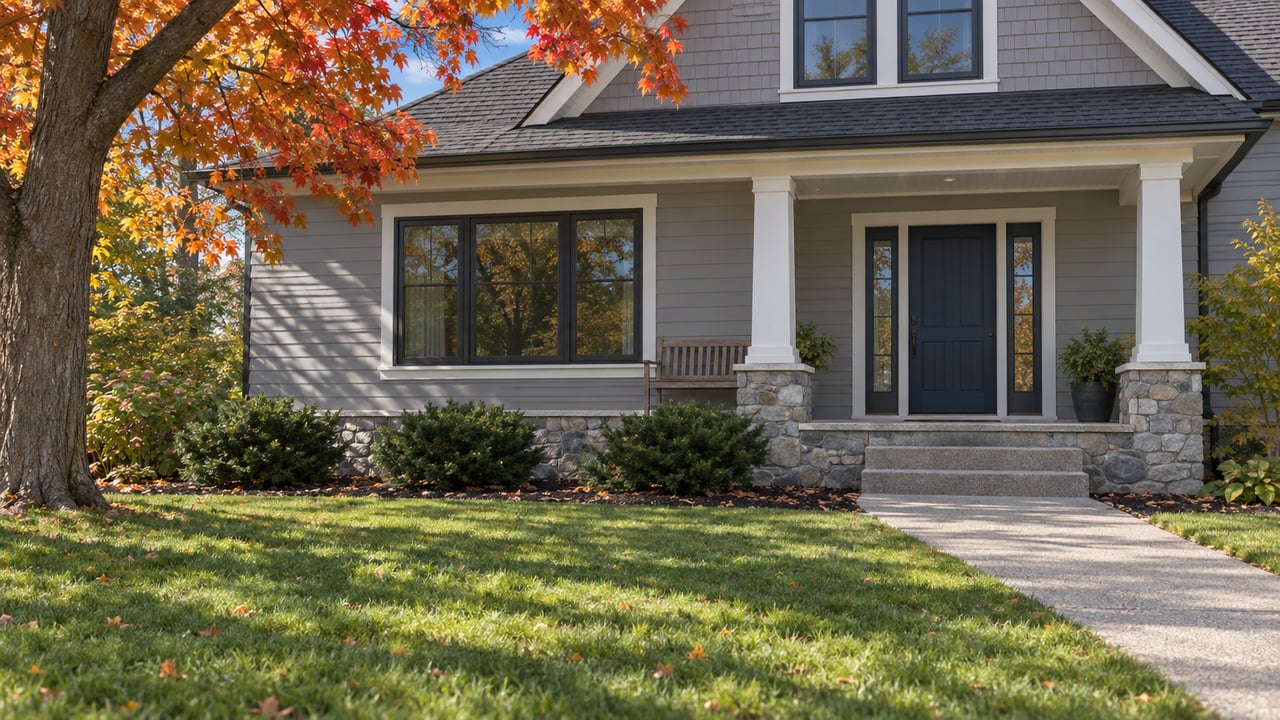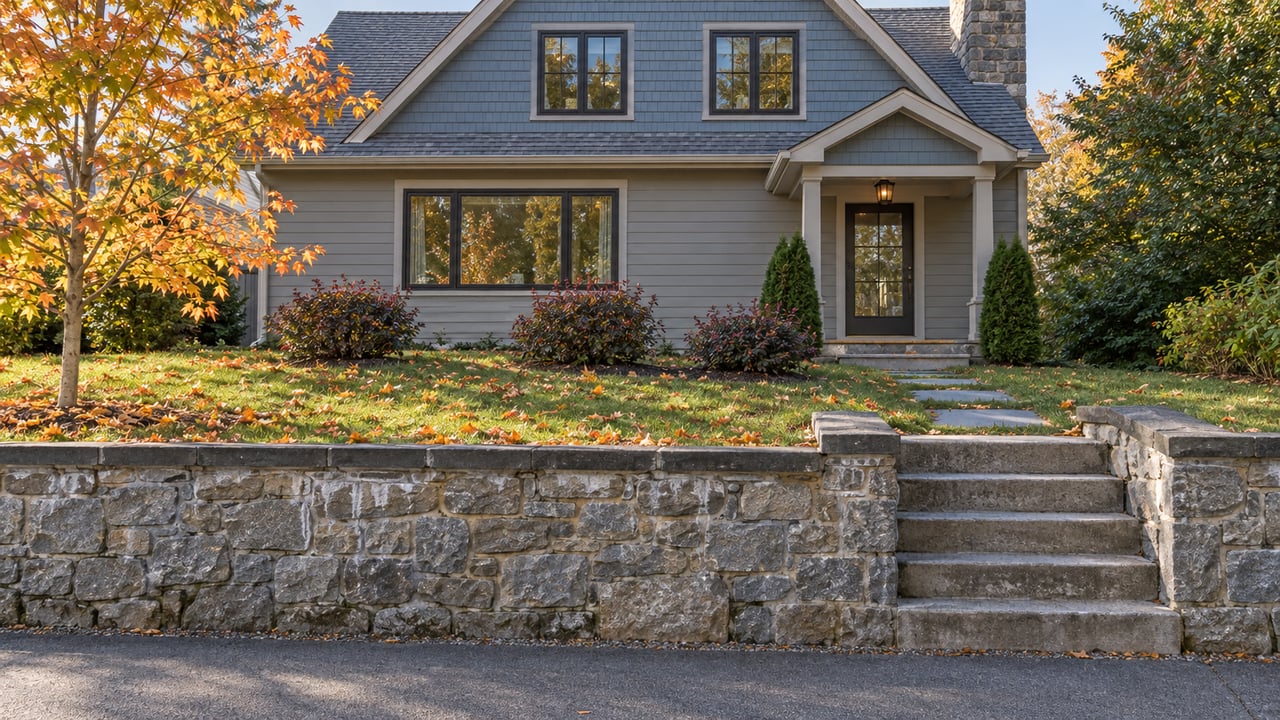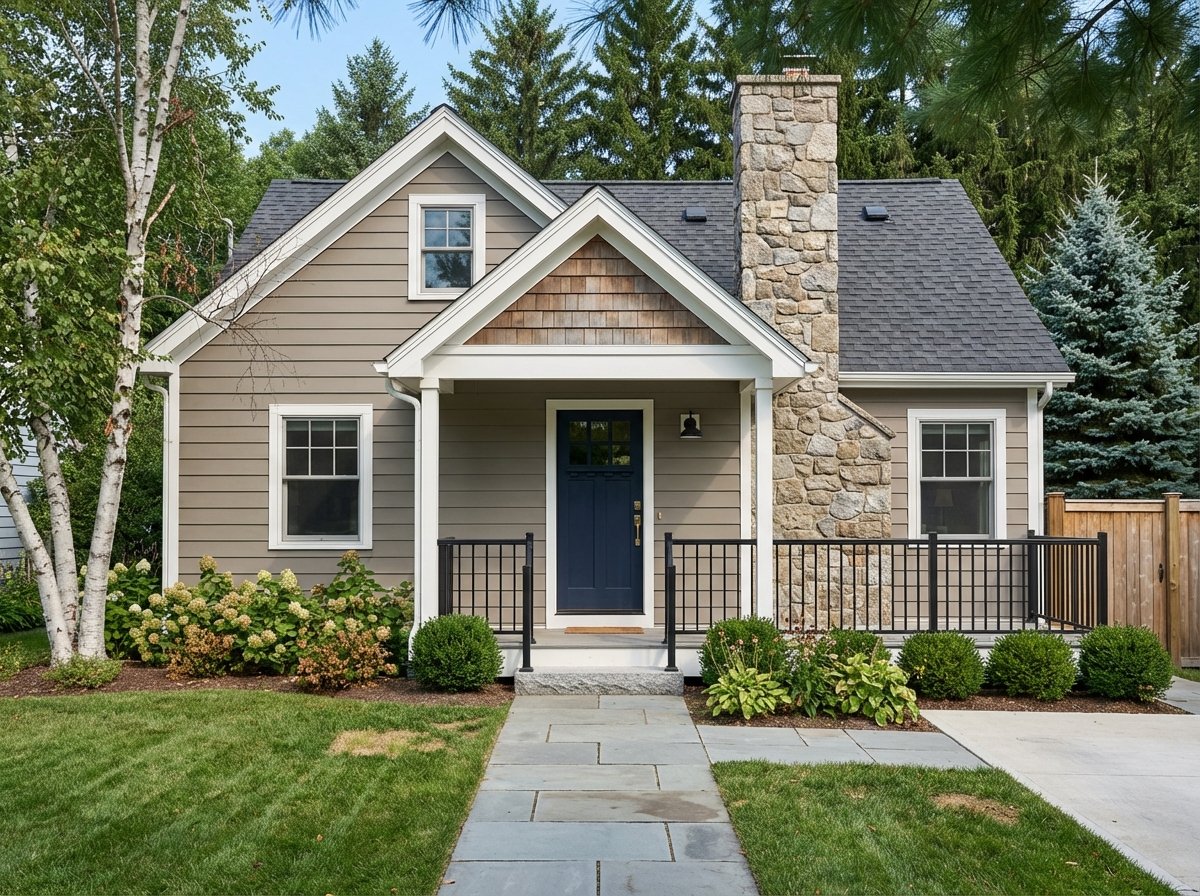
Wondering if Duluth home values are still climbing and what that means for your sale? You’re not alone. With more listings on the market than a few years ago, timing, pricing, and prep matter more now. In this guide, you’ll see where prices and selling speed stand today, how those trends affect your bottom line, and the steps to price and present your home for the strongest offer. Let’s dive in.
Quick snapshot: Duluth home values now
- Most public sources place Duluth’s typical home value in the $240,000 to $300,000 range. Zillow estimates a typical value near $243,400, up about 5.6% year over year (Dec 2025, Zillow ZHVI). Realtor.com shows a city median listing price around $299,000 with about 9.2% annual growth (Oct 2025, Realtor.com). Redfin’s recent snapshot shows a median sale price near $266,000 (Redfin).
- Expect variation by source. Some track list prices while others track sold prices. Each uses different time windows, so a range is normal. When you list, your local CMA and recent neighborhood comps will set the best baseline.
- By price tier and neighborhood, results differ. Entry and mid-price homes that show well tend to move faster and command stronger terms, while higher-priced or less-prepared listings can linger and see reductions.
How fast are homes selling?
- Days on market vary by source and season. Redfin shows about 25 days to sale in recent data, Zillow reports around 30 days to pending, and Realtor.com shows roughly 41 days as of Oct 2025. Countywide averages run higher, near 71 days (Realtor.com).
- Duluth follows a familiar pattern: quicker in spring and summer, slower in winter. The Twin Ports seasonal rhythm is well documented in regional housing research from the University of Minnesota Duluth’s Labovitz School. You can review the pattern in the Labovitz School’s overview of Twin Ports housing seasonality.
- The takeaway for sellers: budget for weeks, not days, and plan your pricing and prep to make the most of your first two weeks on market.
Inventory and what it means for you
- Realtor.com showed about 320 active Duluth listings in Oct 2025, while St. Louis County had around 1,300. Duluth generally skews higher in price than many nearby rural areas; the county’s median listing price was about $216,250 in that same period (Realtor.com).
- More supply than in 2020–2022 means buyers compare options. Well-prepared homes that feel “move-in ready” earn attention quickly, while dated or overpriced listings sit longer.
- The best strategy in a balanced market is to price to spark early activity, monitor traffic in the first 10 to 14 days, and adjust decisively if needed.
What sells quickest in Duluth
- Entry and mid-price homes that are clean, well presented, and accurately priced tend to draw faster offers.
- Neighborhoods vary. Citywide medians are helpful context, but your best guide is very local data from your immediate area and property type.
- Small 2–4 unit properties also have steady interest from owner-occupants and investors, though the supply is limited and comps can be sparse. Expect more variation in price per unit.
Pricing strategy that works in 2026
Start with a local CMA
- Use a Comparative Market Analysis built around recent closed sales in your specific neighborhood and property type. Portal medians provide context, but MLS comps are what buyers and appraisers lean on.
Win the first two weeks
- The first 7 to 14 days set the tone. If showings and online views are strong, you’re likely priced right. If activity is thin, consider a meaningful early adjustment rather than multiple small reductions. Industry guidance shows that an early, single 3% to 5% correction often re-energizes interest faster than tiny, repeated cuts. Learn more about why early, decisive changes can outperform drip pricing from this pricing strategy analysis.
Price bands and buyer search habits
- Many buyers filter by round-number thresholds (for example, $250k). If the comps support it, aligning your price with the right band can increase your listing’s visibility. Use price per square foot in your micro-market as a quick check, then confirm against recent closed comps.
When to adjust price
- If you have limited showings in the first two weeks, or repeated feedback about value versus condition, a single, meaningful price change is often more effective than incremental tweaks.
Prep that boosts value and speed
High-ROI basics
- Declutter, deep clean, touch up paint in neutral tones, and handle obvious repairs like gutters, loose rails, and tired fixtures. Research from the National Association of Realtors finds that staging helps buyers visualize the space and often shortens time on market. See NAR’s summary on why staging works.
Media that moves buyers
- Professional photography, clear room labels, and a simple floor plan help your home stand out in search results and social feeds. Strong visuals increase showings and help buyers remember your home later.
Consider a pre-listing inspection
- If your home has older systems or deferred maintenance, a pre-listing inspection can surface issues early and prevent renegotiations later. A clear repair plan and receipts signal care and reduce surprises. For a consumer-friendly overview, review this pre-inspection guide.
Selling a Duluth duplex, triplex, or fourplex
- Prepare a current rent roll, signed leases, recent utility bills, maintenance logs, and a capital improvements list. Investor buyers and appraisers rely on these to assess value and lending.
- Expect both investor and owner-occupant interest. FHA financing can apply to 2–4 unit homes for buyers who plan to live in one unit. Clean documentation and clear showing plans help speed underwriting and decisions.
- Rental demand has supported this niche. Late-2025 and early-2026 portal snapshots show median asking rents around $1,700 to $1,740 per month in Duluth (Realtor.com/Zillow). Keep in mind that supply and nearby university enrollment trends can influence demand. Local reporting on the Twin Ports has noted periods of enrollment decline at nearby universities, which can shape near-campus rentals.
Local factors to watch in 2026
- Seasonal rhythm. Duluth’s market is most active in spring and summer, with slower winter months. The Labovitz School’s Twin Ports housing overview outlines this pattern.
- Port activity and jobs. The Duluth–Superior port is a major Great Lakes hub, supporting logistics and industry-related employment. You can see recent tonnage and operations detail in the Port Authority’s statistics.
- Data source differences. Zillow, Redfin, and Realtor.com use different windows and definitions. When you see a number here, it is labeled with the source and time frame so you can compare apples to apples.
What this means for your bottom line
- Prices are higher than a year ago by most measures, but the market is closer to balanced than the 2020–2022 surge. That makes your first two weeks, your price, and your presentation the levers that matter most.
- If you price to attract strong early traffic, present a clean, move-in-ready feel, and respond quickly to feedback, you put yourself in the best position to secure a strong, clean offer.
Ready to see where your home fits in today’s Duluth market? Get a local pricing estimate, prep plan, and timeline tailored to your address. Reach out to Michelle Ryan to start your free, no-pressure valuation and selling strategy.
FAQs
Is now a good time to sell a home in Duluth?
- Citywide medians show year-over-year price gains, and well-prepared, well-priced homes still see brisk activity; your results depend on your price tier, condition, and neighborhood comps.
How long will it take to sell my Duluth house?
- Plan for weeks, not days; recent snapshots show roughly 25 to 41 days to go under contract in the city, with quicker sales in peak seasons and for well-priced homes.
Should I stage my Duluth home before listing?
- Yes, if budget allows; NAR research finds staging helps buyers visualize and often shortens days on market, especially when buyers have more choices.
What should I do if I’m selling a Duluth duplex, triplex, or fourplex?
- Prepare a rent roll, leases, expense and utility history, and maintenance records; expect investor scrutiny of net income and terms, and note that owner-occupant financing can apply for 2–4 unit properties.
What local factors could affect my sale in 2026?
- Seasonality, port-related employment, and shifts in nearby university enrollment can influence demand; monitor these along with neighborhood-level comps when timing your listing.