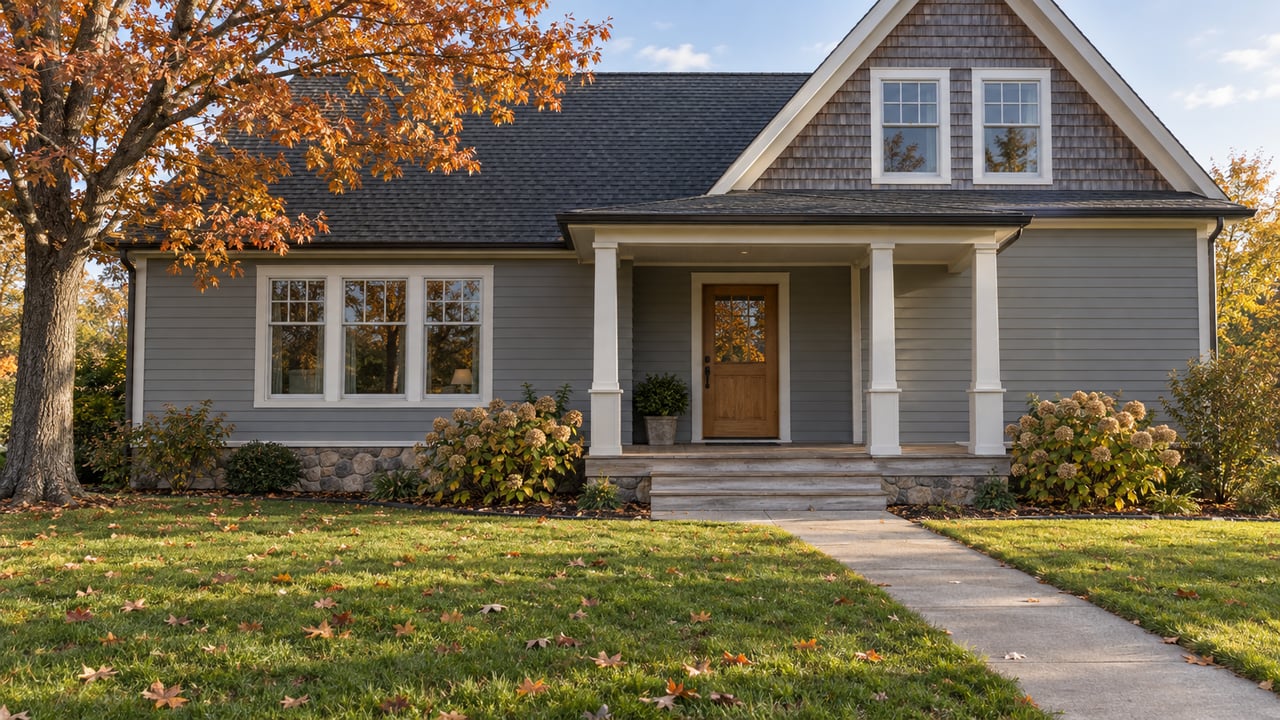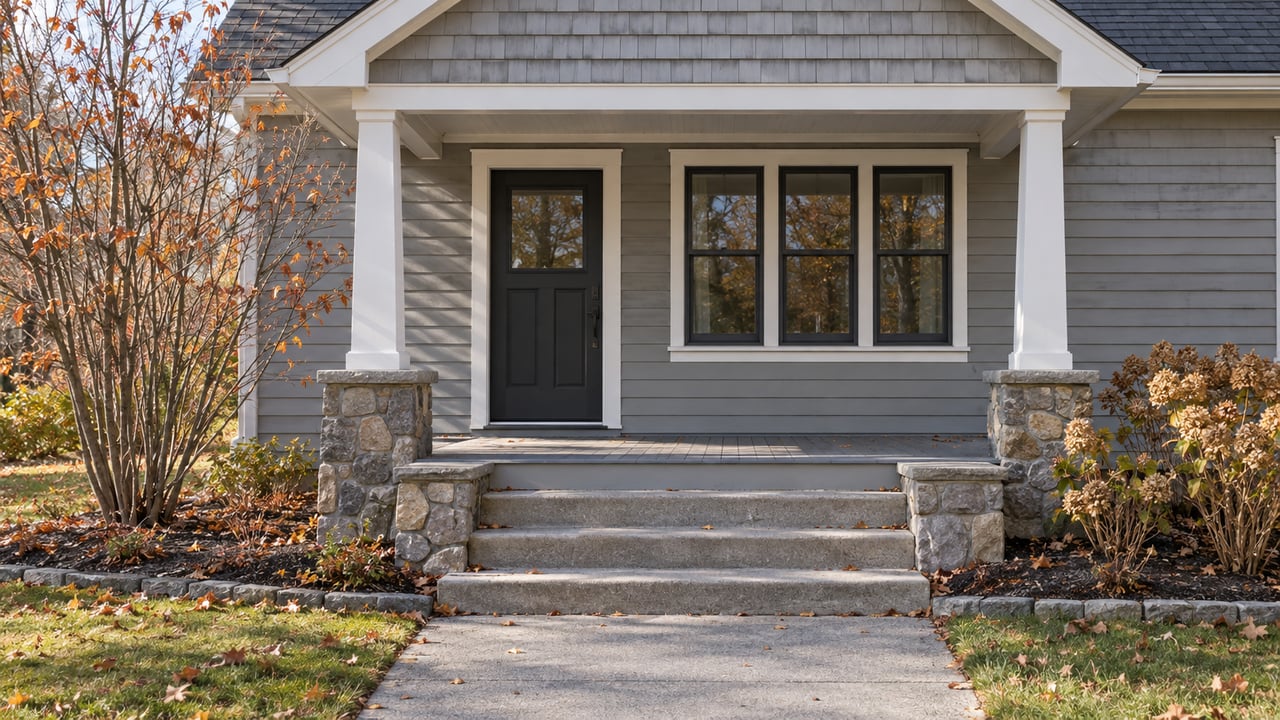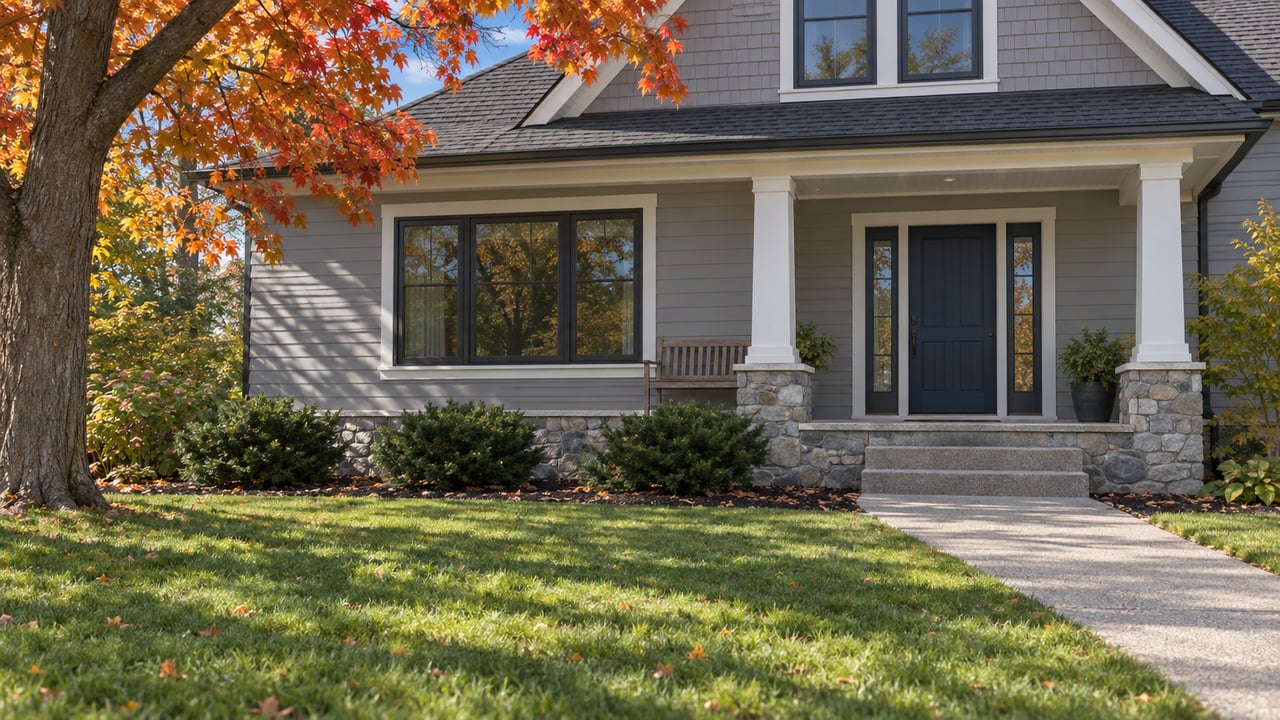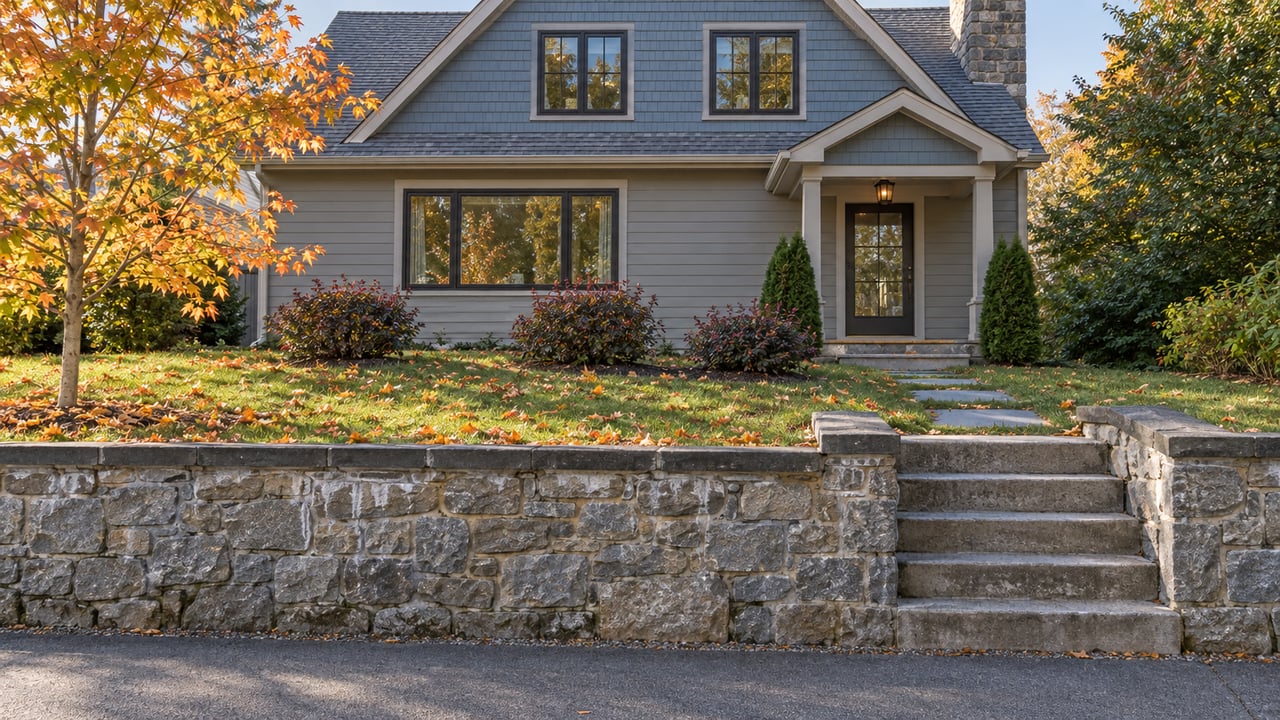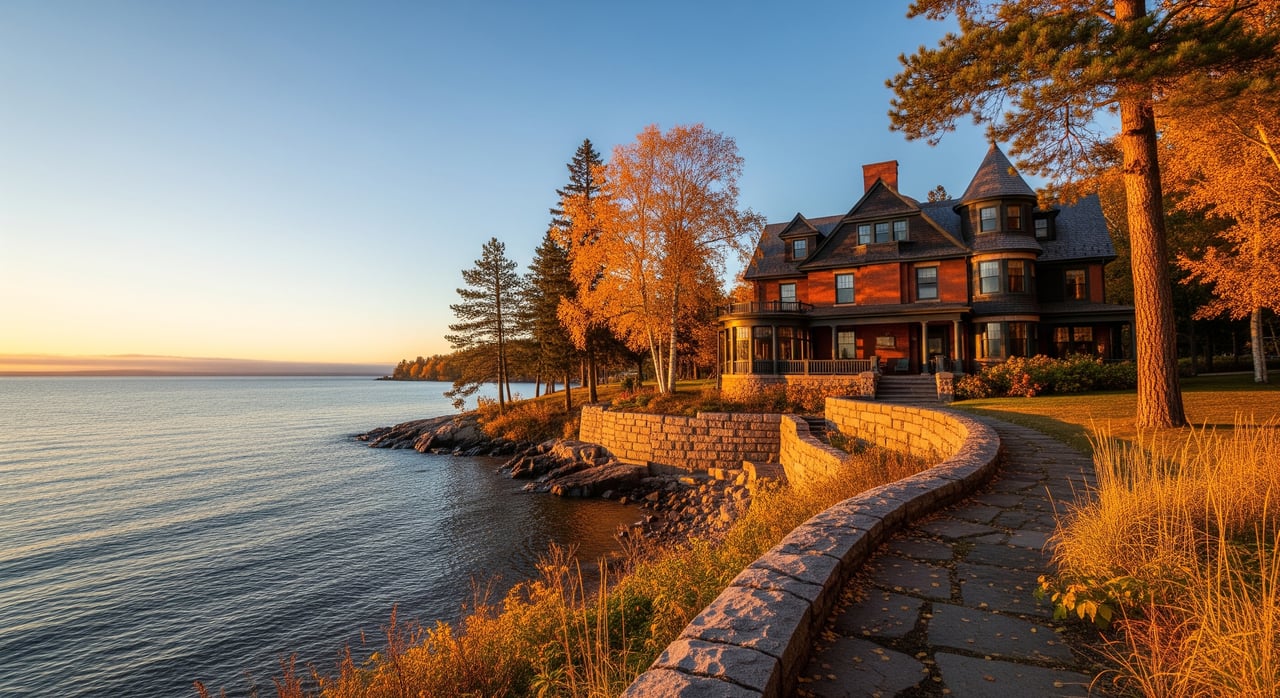
Thinking about making Duluth home? You are not alone. People come for the lake views, the outdoor playground, and a city that still feels manageable. Choosing a neighborhood is the key to feeling settled here. In this guide, you will learn how Duluth is laid out, what housing types you will find, how commutes and seasons shape daily life, and what to consider as you plan a move. Let’s dive in.
How Duluth is organized
Duluth stretches along Lake Superior, with steep hills rising from the waterfront. That topography shapes neighborhood character and day-to-day routine. You will see a mix of hillside, lakeside, and west-side communities, plus downtown waterfront districts.
Downtown, Canal Park, and West Waterfront
Expect a lively commercial core with restaurants, museums, and tourist traffic, especially in warmer months. Housing here leans condo and loft conversion, with some historic multi-unit buildings. Condos with water views often command higher per-square-foot pricing, and inventory can be seasonal. If you want walkable access to the waterfront, dining, and events, this cluster is a strong fit.
Central Hillside, East Hillside, and Endion
These hillside neighborhoods sit above the harbor with steep streets and character homes. You will find late-19th and early-20th-century Victorians, Craftsman styles, worker cottages, duplexes, and small apartment buildings. Proximity to hospitals and the University of Minnesota Duluth (UMD) attracts buyers who want short commutes. Property condition varies widely, and renovation projects are common.
Lincoln Park and Waterfront East
A former industrial and working-class area, Lincoln Park has been revitalizing with breweries, galleries, and restaurants. Housing includes modest single-family homes, some newer infill, and live-work spaces. You will see pockets of change and investment alongside long-standing blocks, with pricing and pace that vary street by street.
Congdon Park, Lester Park, and Lakeside
On Duluth’s east side, these neighborhoods offer larger lots, mature trees, and quick access to parks and trail systems, including links to the Superior Hiking Trail. Housing includes large historic homes and some newer custom builds, with many owner-occupied single-family properties. Buyers often choose these areas for a more suburban feel near the lake.
West Duluth, Morgan Park, and Gary/New Duluth
Historically tied to mills and ironworks, the west side offers more suburban and working-class roots with a wide range of bungalows, mid-century homes, and multi-unit options. These neighborhoods often provide more inventory and lower price points than hillside and lakeside areas, appealing to first-time buyers and those seeking larger yards.
Piedmont Heights, Hermantown edge, and outlying suburbs
As you move inland, you transition into suburban and exurban settings. Expect ranch and split-level homes, newer subdivisions, and larger lots. Many residents commute into Duluth for work, trading a bit more drive time for newer construction and garage space.
Housing styles and price expectations
Duluth’s housing stock is rich in history. You will see wood-frame Victorians, Craftsman homes, foursquares, bungalows, and mid-century ranches and split-levels. Downtown and Canal Park feature condos and mixed-use buildings, while lakeshore and hillside pockets mix older mansions with newer high-end builds.
Here is how pricing generally breaks down across the city:
- Starter homes and modest single-family: Often found in West Duluth and parts of central neighborhoods, these are typically the most affordable options.
- Mid-range single-family: In Central Hillside, Lincoln Park, and portions of the east side, pricing is moderate, and many homes may benefit from updating or renovation.
- Higher-end single-family: In Lester Park, Congdon Park, and lakeside areas, you will see premium pricing influenced by lot size, views, and proximity to parks and the lake.
- Condos and townhomes: Downtown, Canal Park, and select hillside locations offer a wide range, from more budget-friendly units to premium waterfront properties. If you are considering a condo in tourist areas, plan for HOA fees and potential management requirements.
Prices shift with seasonality and neighborhood demand. If you are comparison shopping, evaluate condition closely and factor in the cost of updates, especially for older homes.
Schools and education
Duluth is served by Duluth Public Schools (Independent School District 709), which includes elementary, middle, and high schools across the city. Neighborhood choice often relates to attendance boundaries, so it is smart to verify current maps and programs directly with the district. You will also find private and charter options in the broader area. For higher education access, UMD is a major presence for academics, culture, and employment, and Lake Superior College offers applied and technical programs.
Because Duluth is compact, many schools are accessible by short drives. Some neighborhoods offer walkable routes to local campuses. When comparing areas, consider your commute to work, daily routines, and your preferred proximity to education resources.
Commute and getting around
Duluth is the regional hub for northeast Minnesota and northwest Wisconsin. Interstate 35 ends here and connects to key corridors that serve local neighborhoods and suburbs. Commutes are typically shorter than in large metro areas, and many trips fall under 30 minutes. Your experience will vary by suburban or exurban location, weather, and peak-hour traffic near central corridors and the waterfront.
Public transit is provided by the Duluth Transit Authority (DTA), with routes and frequency that vary by corridor. Downtown, Canal Park, and some Heights areas are walkable and bikeable in good weather. Steep topography can limit easy biking in hillside neighborhoods.
Duluth International Airport provides regional flights and connections, and the Duluth-Superior harbor is a freight and employment hub. In winter, expect storms, lake-effect snow, and freezing conditions that can impact drive times. Plan for seasonal variability and snow-clearing schedules when you choose your neighborhood and daily routes.
Jobs and the local economy
The area’s employment base includes healthcare, education, transportation and shipping, tourism and hospitality, manufacturing, government, and retail. UMD and regional healthcare systems serve as major anchors. Tourism peaks in summer, and winter recreation adds seasonal demand too. Overall, Duluth’s mix supports year-round residents while also drawing visitors, so you will notice seasonal rhythms in hospitality, rentals, and some service sectors.
Lifestyle and seasons
If you love the outdoors, Duluth delivers. The Lake Superior shoreline, Bayfront Park, Enger Tower area, and Superior Hiking Trail access points offer hiking, biking, and scenic space to explore. In winter, you will find skiing, snowshoeing, and fat-tire biking options. Water activities pick up in warm months with boating, fishing, and kayaking.
Dining and arts are part of the city’s fabric. You will find craft breweries, local restaurants, and performance venues in Canal Park, Lincoln Park, and downtown, along with regular festivals. The climate brings four distinct seasons: warm, active summers, and long, snowy winters influenced by the lake. Weather shapes home maintenance and daily living, from roof loads and insulation to your winter driving kit.
Buying tips for Duluth homes
A thoughtful plan will help you land the right home in the right neighborhood.
- Start with lifestyle fit. Decide whether you want walkable waterfront energy, hillside character homes near major employers, or larger-lot living farther west or inland.
- Budget for condition. Duluth has many historic homes. Plan for thorough inspections and potential upgrades such as insulation, electrical, windows, roofing, and heating systems.
- Prepare for winter realities. Factor in heating costs, snow removal, and maintenance that protects against freeze-thaw cycles. Roof condition and insulation matter here.
- Evaluate commute and access. Test-drive your routes at common times and consider winter commute patterns. If you rely on transit, check route frequency for your corridor.
- Understand ownership costs. Add property taxes, HOA dues for condos, and utility costs to your budget. Older homes may have higher winter utility bills.
- If you plan to invest, know the rules. Areas near UMD and tourist districts can attract student and short-term rental interest. Regulations, HOA rules, and seasonality shape returns.
- Time your search. Duluth tends to be more active in spring and summer, with winter seeing quieter activity that can sometimes mean motivated sellers. Your timing strategy should match your goals.
Neighborhood snapshots
Use these brief profiles to narrow your short list.
- Downtown/Canal Park/West Waterfront: Walkable access to dining and events, condo and loft living, higher per-square-foot pricing for water views, seasonal buzz.
- Central & East Hillside/Endion: Historic housing, steep streets, close to hospitals and UMD, wide range of property conditions and renovations.
- Lincoln Park & Waterfront East: Revitalizing arts and food scene, modest homes with some new infill, pocket-by-pocket change.
- Congdon Park/Lester Park/Lakeside: Larger lots and park access, historic and custom homes, lakeside lifestyle with a more suburban feel.
- West Duluth/Morgan Park/Gary–New Duluth: More inventory at lower price points, bungalows and mid-century homes, room to spread out.
- Piedmont Heights/Hermantown edge/outlying suburbs: Newer subdivisions, ranch and split-level homes, garage space, and commuting into the city.
Is Duluth right for you?
Choosing a Duluth neighborhood starts with your routines. Think about the tradeoffs you prefer: walkability versus yard size, character homes versus newer construction, and water views versus an easier winter commute. With clear priorities and a realistic budget, you can find a home that fits your life and the seasons here.
If you want a local guide who knows the streets, the snowplow patterns, and the subtle differences from block to block, reach out to Michelle Ryan for a friendly, no-pressure consultation. She pairs neighborhood-level insight with RE/MAX-backed marketing support to help you buy or sell with confidence.
FAQs
What are the main Duluth neighborhood types?
- Duluth includes waterfront districts, hillside areas near major employers, revitalizing west-side communities, and inland suburban pockets with newer construction.
How walkable is Duluth if I want to live car-light?
- Walkability varies by neighborhood; downtown and Canal Park are the most walkable, while hillside and many residential areas are more car-dependent due to steep topography.
What should I know about Duluth winters and housing?
- Winters are long and snowy, so prioritize insulation, a reliable heating system, and a plan for snow removal; budget for higher winter utility use.
Are there condo options near the lake?
- Yes, downtown and Canal Park offer condos and mixed-use buildings, with premium pricing tied to water views and potential HOA fees to consider.
Which Duluth areas offer more affordable homes?
- West Duluth, Morgan Park, and Gary/New Duluth generally provide more inventory at lower price points compared to hillside and lakeside areas.
How do schools factor into neighborhood choice?
- Attendance boundaries influence many buyers’ decisions. Verify current maps and programs directly with Duluth Public Schools to align your home search with your plans.
Is Duluth a good fit for remote work?
- Many remote workers choose Duluth for lifestyle benefits. Check broadband availability in your target neighborhood and your proximity to services and amenities.
What is the best season to buy in Duluth?
- Spring and summer tend to be more active, while winter can be quieter and sometimes offers opportunities with motivated sellers. Time your move based on your goals.