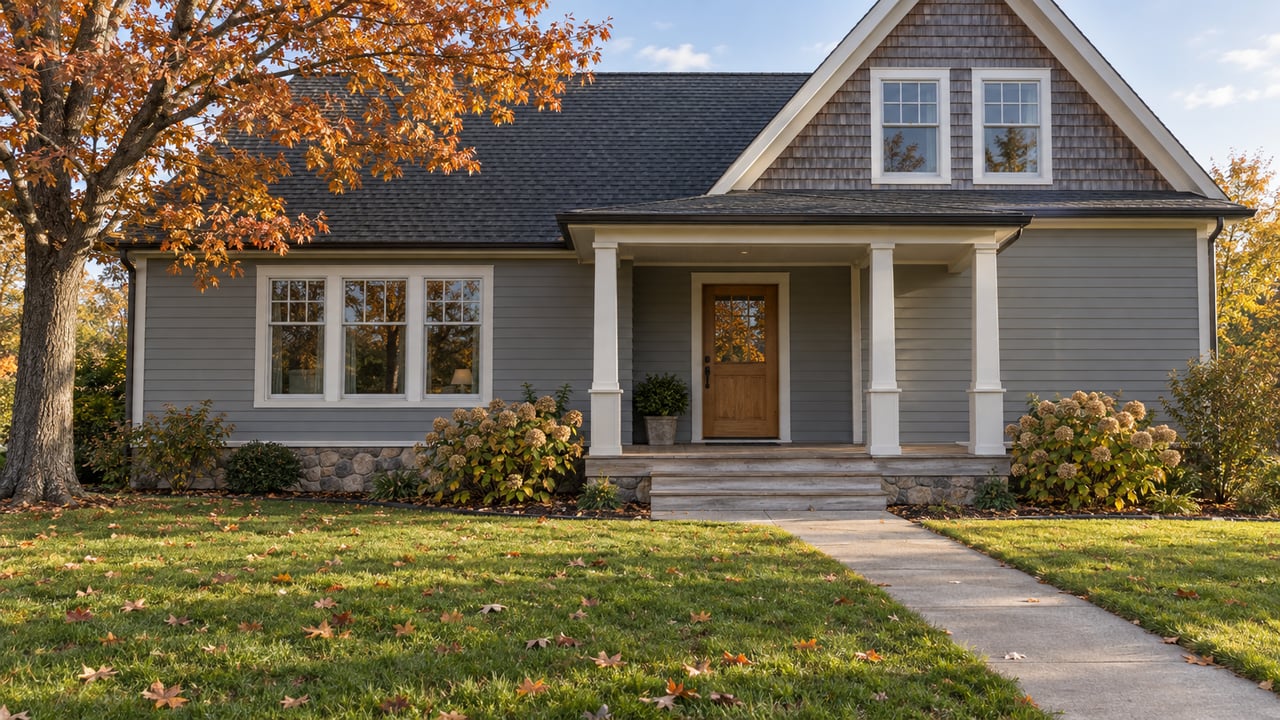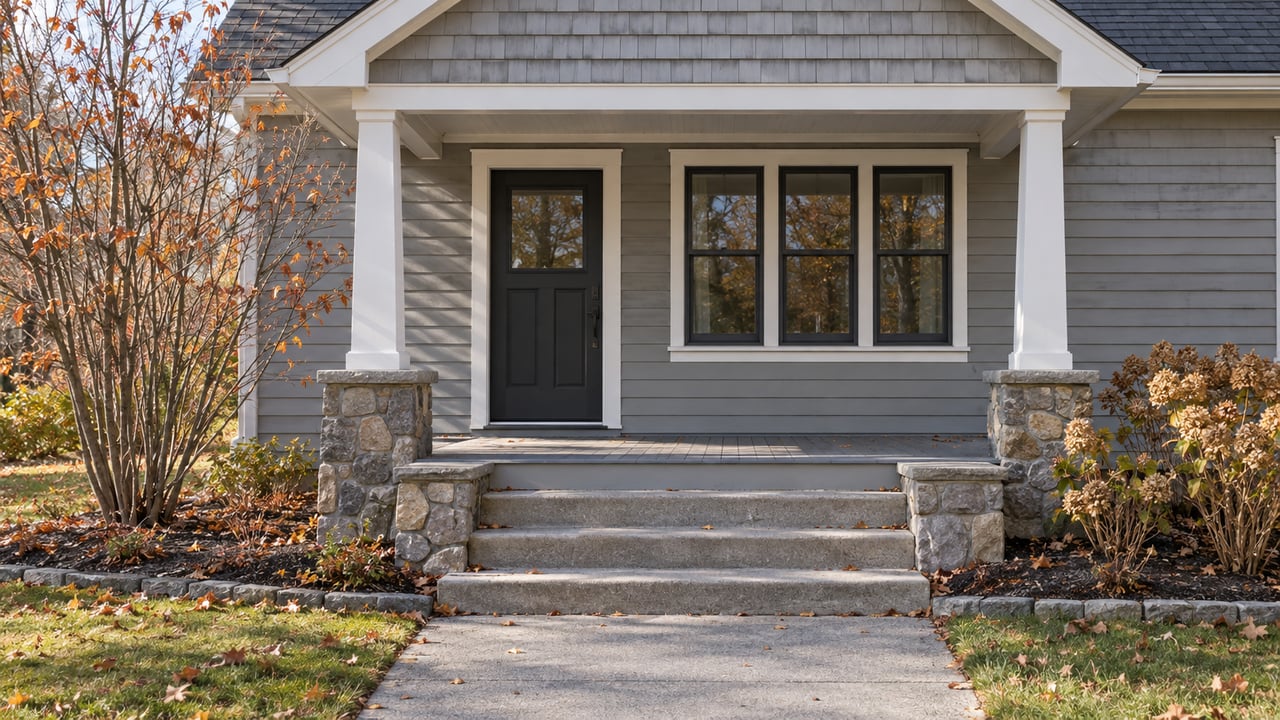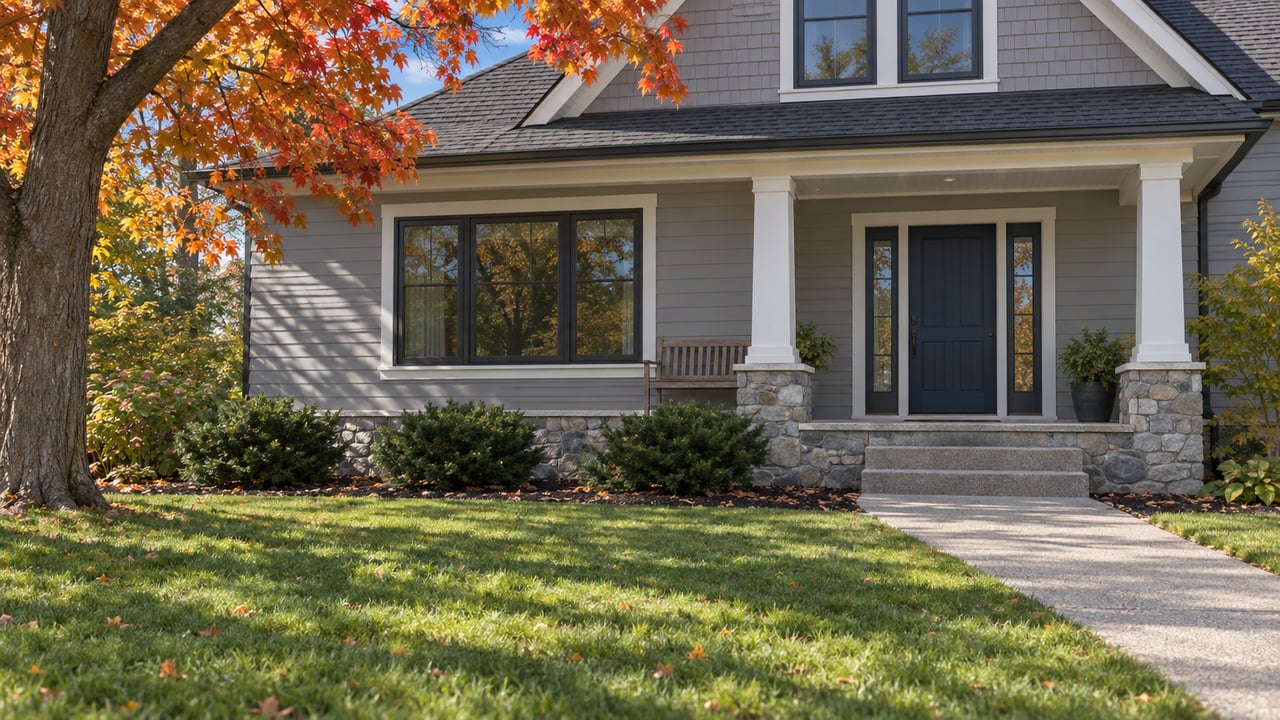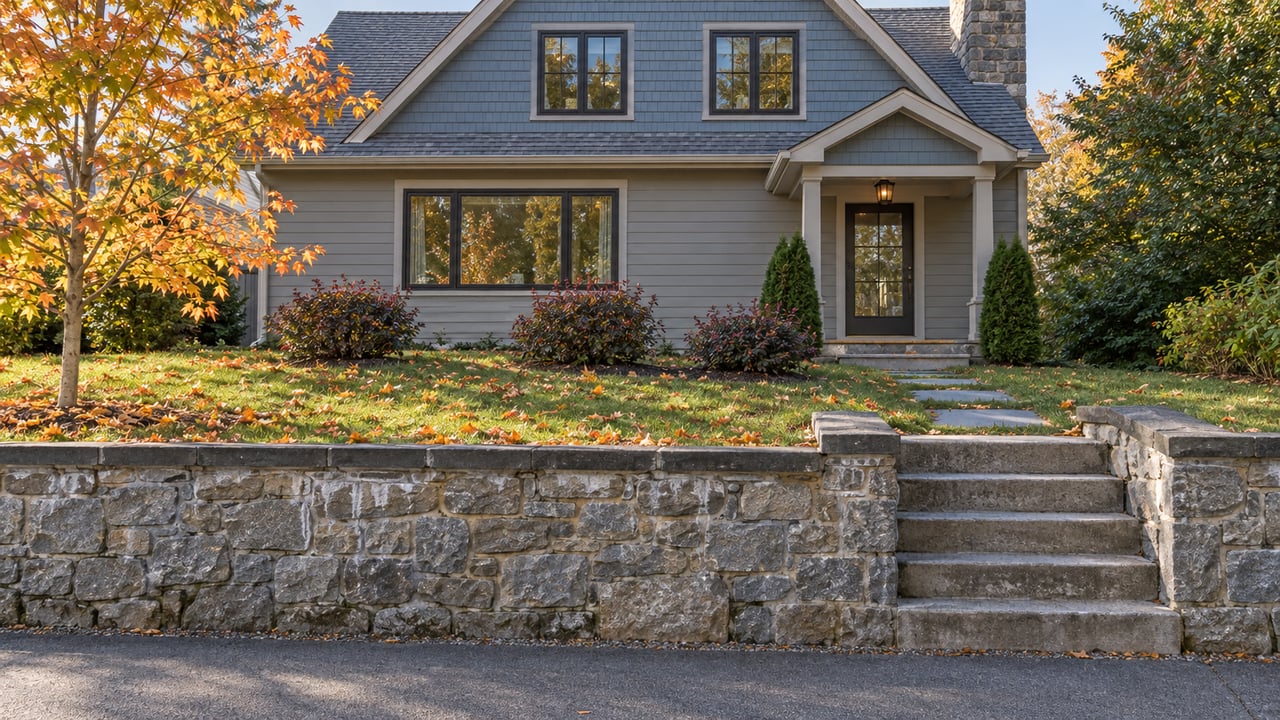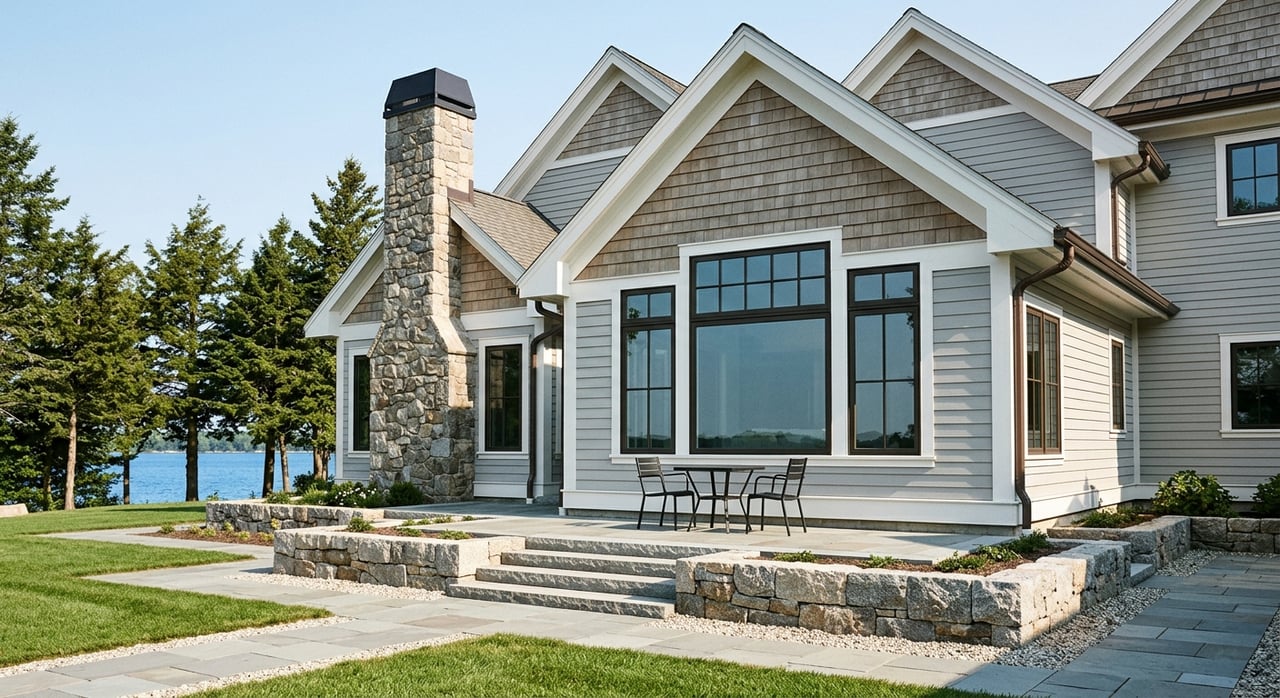
If you have been dreaming about a North Shore getaway, Two Harbors probably checks a lot of boxes right away. It offers Lake Superior access, a true small-city feel, and year-round recreation, all at a lower entry point than some nearby North Shore markets. If you are wondering whether it is the right place for your second home, this guide will help you weigh the lifestyle, costs, rental rules, and practical ownership realities so you can make a confident decision. Let’s dive in.
Why Two Harbors draws second-home buyers
Two Harbors sits about 26 miles northeast of Duluth and has a population of 3,745 within a compact 3.3-square-mile area. According to the City of Two Harbors planning materials, it is a tourism-oriented community centered around Agate Bay, the downtown waterfront, shops, restaurants, hotels, and outdoor recreation.
That matters if you want a second home that feels like a destination, not just a house in a quiet area. Two Harbors gives you a recognizable North Shore setting with easy access to the waterfront and scenic corridor, while still feeling more approachable than some higher-priced markets farther up the shore.
How Two Harbors compares on price
For many buyers, the biggest reason to consider Two Harbors is value. As of February 2026, Realtor.com market data showed 49 homes for sale in Two Harbors, a median listing price of $240,000, and a balanced market with a 96% sale-to-list ratio and 95 days on market.
That is a noticeably lower entry point than nearby alternatives in the same North Shore orbit. In the same reporting, Duluth showed a median listing price of $380,000, while Grand Marais came in at $580,000. If you want North Shore access without starting at the top of the pricing ladder, Two Harbors stands out.
Still, it helps to look beyond the median. The same Two Harbors market overview shows that waterfront and near-water homes can price much higher than the citywide middle, which is common in second-home markets where lake views and access carry a premium.
What kind of second-home experience you get
Two Harbors works best for buyers who want a base for regular personal use. The North Shore Scenic Drive corridor plan describes the route as a four-season byway and highlights hiking, biking, skiing, snowshoeing, snowmobiling, fishing, camping, and fall color as year-round draws.
That gives you more than a short summer window. If your ideal second home is a place you can enjoy in July, October, and February, Two Harbors has a strong case.
The location also supports practical weekend use. The city is about 26 miles from Duluth, and the research report notes Travelmath estimates a drive from Minneapolis of about 2 hours 49 minutes under typical traffic. That makes it realistic for long weekends, remote-work extensions, and repeat visits without a major travel burden.
Waterfront access is a real advantage
One of the strongest lifestyle features here is the Agate Bay area. The Minnesota DNR notes that the protected access is within walking distance of waterfront trails, downtown shops, restaurants, and museums.
For a second-home buyer, that kind of access can make a big difference. You may not need a fully private waterfront parcel to enjoy the water-oriented lifestyle that draws people to the North Shore in the first place.
That said, not every property near the lake will offer the same ease of ownership. Waterfront appeal can be high, but due diligence matters even more when drainage, shoreline condition, and access vary from parcel to parcel.
The weather is part of the deal
A Two Harbors second home can be beautiful in every season, but you need to go in with realistic expectations. The Minnesota Historical Society’s Split Rock Lighthouse visitor information notes that this part of the North Shore draws visitors year-round and that weather can be unpredictable, with cooler summer temperatures than many parts of southern Minnesota.
That cooler, rugged feel is part of the charm for many buyers. It can also mean a shorter warm-weather season if your plan is centered on swimming, boating, and patio time.
Winter deserves special attention. A NOAA/NWS snowfall summary for the 2022-2023 season showed 140.8 inches of snowfall at a Two Harbors 3.6 WNW CoCoRaHS site. In real-life terms, that means snow removal, roof load, winter access, heating reliability, and winterization should all be part of your buying decision.
Older homes can offer charm and extra upkeep
Second-home buyers are often drawn to character, and Two Harbors has plenty of it. A local housing needs analysis found that 37.3% of homes were built before 1940, the median year built was 1952, and 63.7% of housing units were owner-occupied.
That older housing stock can mean established areas, mature lots, and homes with personality. It can also mean more maintenance, system updates, weatherproofing needs, and repair planning than you might face in a newer market.
If you are considering a second home here, it is smart to budget for more than the purchase price. Older roofs, windows, foundations, insulation, and plumbing systems can all affect your long-term ownership costs, especially in a Lake Superior climate.
Can you offset costs with short-term rentals?
This is where some buyers need to slow down and look closely. On the demand side, AirDNA data for Two Harbors shows about 230 vacation rentals, a Market Score of 93, estimated annual revenue of $38.7K, 56% occupancy, and an average daily rate of $289.3.
Those numbers suggest real visitor demand. But they do not mean every home is a good short-term rental candidate or that the process is simple.
According to the city’s short-term rental code, permits are only allowed in B1 and B2 commercial zoning districts except for grandfathered residential permits. The code also states that total permits cannot exceed 4% of the housing stock, each unit needs a permit, applicants must obtain a Minnesota Department of Health inspection certificate through Lake County, and a local agent must live within 30 miles of the rental unit.
For many second-home buyers, that means Two Harbors is not a simple buy-it-and-rent-it market. If occasional rental income is part of your plan, zoning, permit availability, and management logistics should be confirmed early.
Taxes matter if you plan to rent
If you do plan to rent your second home, tax compliance is part of the ownership model. Minnesota Revenue guidance lists a 1% Two Harbors lodging tax, a 4% Lake County lodging tax, the 6.875% state sales tax, a 1% Two Harbors sales tax, and a 0.5% Lake County transit sales tax on lodging.
The same state guidance says lodging is taxable for stays under 30 days, or for stays of 30 days or more without an enforceable written lease agreement. In other words, if rental income is part of your financial plan, you should treat taxes and compliance as core expenses, not side details.
A simple way to decide
Best fit for vacation use
Two Harbors may be a strong fit if you want a personal retreat with easy access to the North Shore, downtown amenities, and year-round outdoor recreation. It offers the feel of an up-north destination without pushing as far up the coast as Grand Marais.
It is especially appealing if your main goal is personal enjoyment rather than maximizing rental returns. You get a practical weekend distance from Duluth and the Twin Cities, plus a real sense of place around Agate Bay and the scenic byway.
Best fit for occasional rental
Two Harbors can work for occasional rental income, but only if you are ready to work within the city’s rules. Demand appears to be there, yet the permit cap, zoning restrictions, health inspection requirements, and local-agent rule create meaningful friction.
If income offset is a bonus rather than the only reason you are buying, the market may still make sense. If your plan depends heavily on frequent short-term rentals, you will want to verify the property’s eligibility before moving forward.
Best fit for long-term hold
Two Harbors can also appeal to buyers thinking long term. The area combines tourism appeal, established housing, and proximity to the waterfront and scenic corridor, which may support long-run value for owners who are patient and realistic about upkeep.
At the same time, parcel-level diligence matters. The city’s planning documents flag aging infrastructure, flooding, erosion, and E. coli-related beach closures in parts of the waterfront and Skunk Creek corridor, so a close look at site conditions is important.
The biggest pros and cons
Here is the clearest way to think about it.
Pros of buying in Two Harbors
- Lower median listing price than Duluth and Grand Marais
- Real North Shore identity with tourism and recreation appeal
- Four-season lifestyle supported by the scenic byway and outdoor access
- Walkable access in parts of the waterfront and downtown area
- Good fit for buyers who want personal use first
Challenges to keep in mind
- Winter weather and snowfall can add meaningful operating costs
- Older housing stock may require more repairs and updates
- Prime waterfront inventory is limited and often priced above the median
- Short-term rental rules are restrictive
- Some lake-adjacent areas require careful review for drainage, erosion, and infrastructure issues
So, should Two Harbors be your second-home market?
For the right buyer, yes. Two Harbors makes the most sense if you want a true North Shore getaway, value easier entry pricing than nearby markets, and are comfortable with the realities of older homes, strong winters, and careful property-level due diligence.
It makes less sense if you want a low-maintenance ownership experience or you are counting on easy short-term rental income to make the numbers work. In that case, the rules and logistics may feel tighter than expected.
If you want help comparing properties, weighing lifestyle tradeoffs, and looking at Two Harbors through a practical local lens, Michelle Ryan can help you sort through the options and make a move that fits your goals.
FAQs
Is Two Harbors more affordable than other North Shore markets?
- Yes. The research report shows a February 2026 median listing price of $240,000 in Two Harbors, compared with $380,000 in Duluth and $580,000 in Grand Marais.
Is Two Harbors a good place for a vacation home you use year-round?
- It can be. The North Shore Scenic Drive is described as a four-season route with activities that support summer, fall, and winter use.
Can you use a Two Harbors second home as a short-term rental?
- Possibly, but the city’s rules are restrictive. Permit eligibility depends on zoning, permit limits, inspections, and a local-agent requirement.
Are older homes common in Two Harbors?
- Yes. The housing needs analysis found that 37.3% of homes were built before 1940, and the median year built was 1952.
What should you watch for in waterfront or near-water properties in Two Harbors?
- You should review shoreline condition, drainage, erosion risk, infrastructure concerns, and access carefully, since city documents note challenges in some waterfront-related areas.