Buying your first home can feel exciting and overwhelming at the same time, especially when you are trying to balance budget, commute, and the kind of daily life you want. If Cloquet is on your radar, you are probably looking for a place that feels more affordable than some nearby markets while still keeping you connected to Duluth and the rest of the Northland. This guide will help you understand what first-time buyers should know about the Cloquet market, monthly costs, local timing, and key next steps so you can move forward with confidence. Let’s dive in.
Why Cloquet appeals to first-time buyers
Cloquet offers a mix that stands out for many first-time buyers. It is the largest city in Carlton County, and the city highlights its easy access to I-35 and Highways 33 and 210, with Duluth about 15 minutes away and Minneapolis-St. Paul about two hours away. If you want a smaller-city setting without giving up regional access, that convenience is a big plus.
Affordability is also part of the appeal. Recent market snapshots show Cloquet home prices generally below some nearby areas like Duluth, Esko, and Hermantown. For buyers comparing monthly payment, commute time, and home style, Cloquet often gives you more flexibility.
What the Cloquet market looks like now
Cloquet is competitive, but not every listing moves at the same pace. One market snapshot shows a median sale price around $261,000 with homes selling in about 16 days, while another shows a median sold price of $282,400 and median days on market of 61. In plain terms, that means well-priced homes can move fast, but some listings still sit longer.
That matters because your strategy should be balanced. You want to be ready to act quickly when the right home hits the market, but you also do not want to assume every property requires a rushed decision. A strong first-time buyer plan starts with knowing both things can be true at once.
What kinds of homes you may find
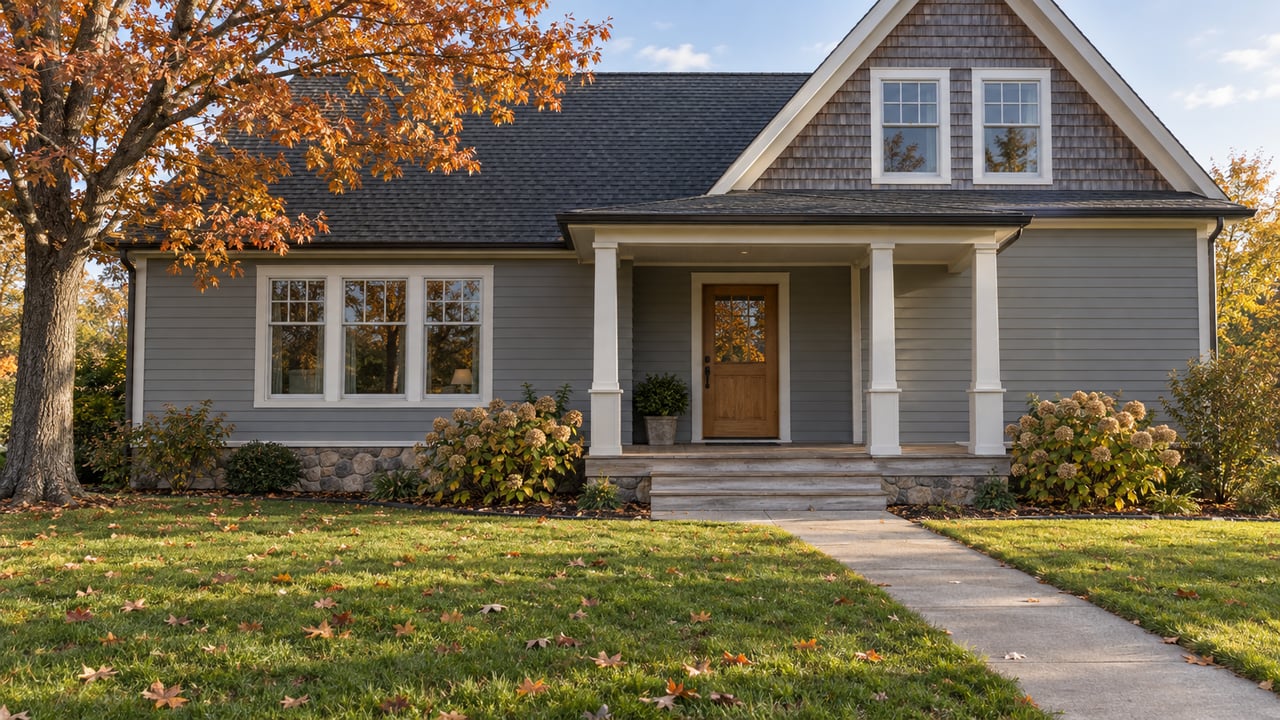
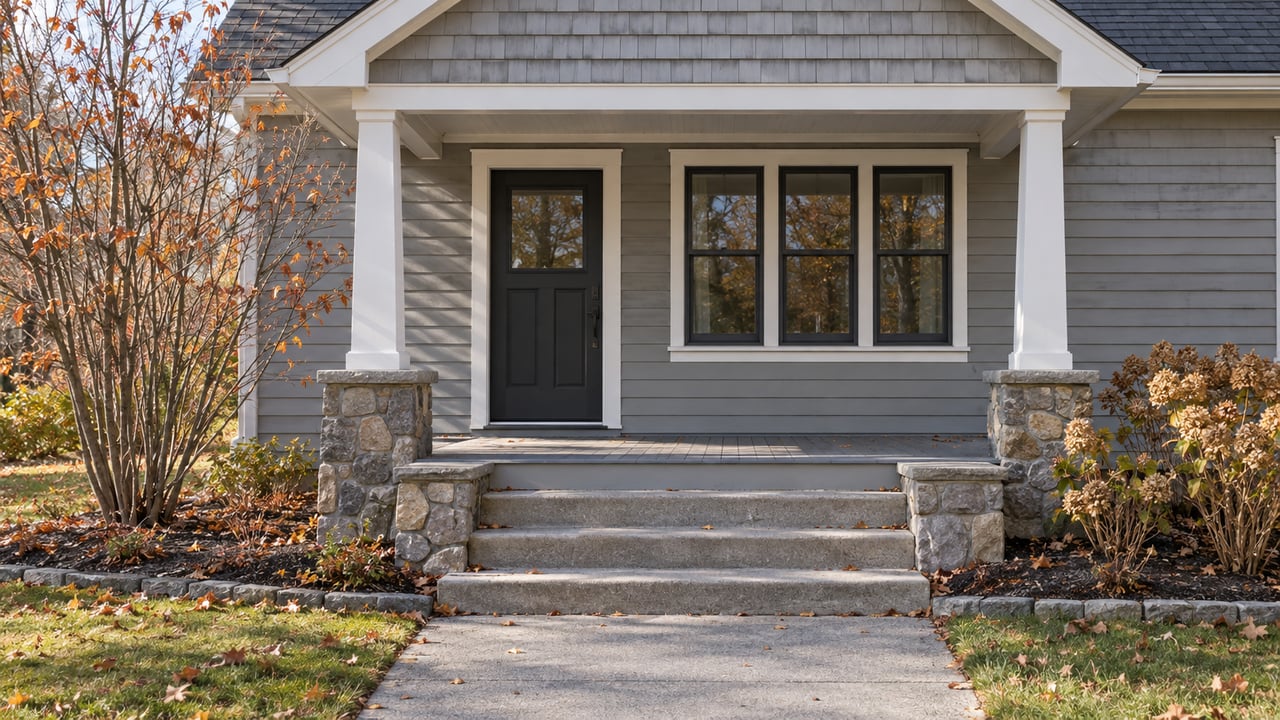
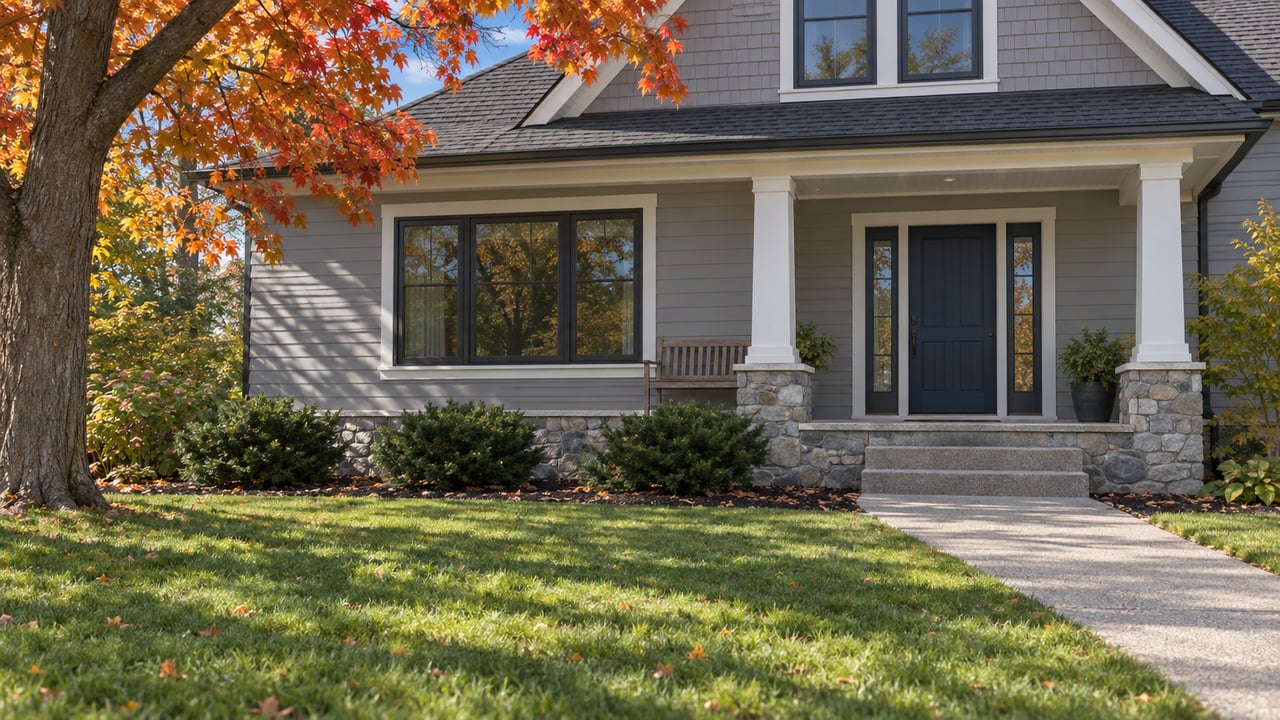
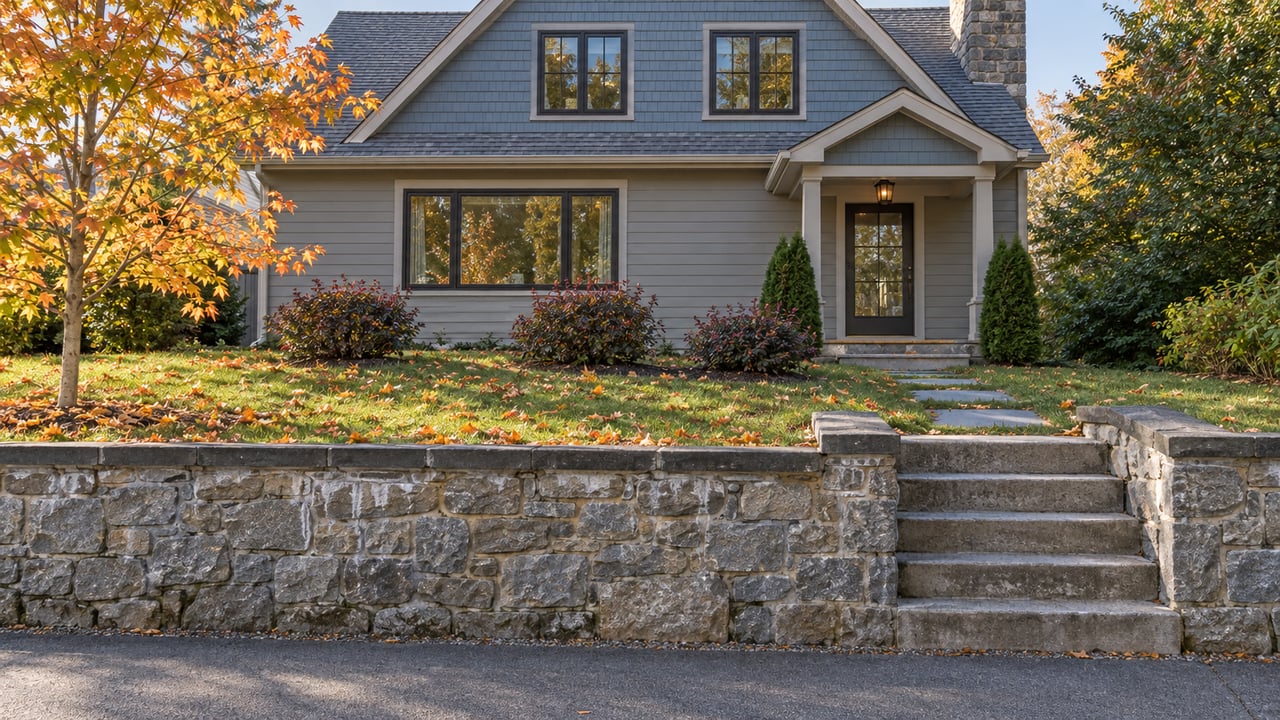
One of Cloquet’s strengths is variety. Buyers can find older in-town single-family homes, ranch-style properties, newer construction, townhomes, condos, land, and even waterfront options depending on price point and location. That gives you room to match your purchase to your lifestyle, not just your budget.
Current examples show that range clearly. You might see an older brick colonial listed around $239,900, a mid-century single-family home around $300,000, or a newer townhome at a higher price point. For a first-time buyer, that means you may be choosing between character, updates, lower maintenance, or newer finishes within the same city.
Think beyond bedrooms and bathrooms
In Cloquet, address matters in a very practical way. Some in-town homes offer more walkability, while edge-of-town or acreage properties may offer privacy, wooded surroundings, and more land to maintain. That is why your day-to-day routine should guide your search as much as square footage.
Ask yourself a few simple questions before you tour too many homes:
- Do you want to be closer to shops, services, or work routes?
- Are you comfortable maintaining a larger lot?
- Would one-level living make life easier?
- Do you want a home with older charm or something more move-in ready?
These answers can save you time and help you focus on homes that fit how you actually live.
Plan for the full monthly payment
One of the biggest first-time buyer mistakes is focusing only on the mortgage payment. Your real monthly cost usually includes principal, interest, property taxes, insurance, and sometimes mortgage insurance, utilities, maintenance, and HOA dues. In Cloquet, those extra costs can vary a lot depending on the home you choose.
Property taxes are a great example. Recent listing data shows annual property taxes of about $2,810 on one smaller in-town home, about $3,906 on another Cloquet property, and about $4,938 on a higher-tax example. If you are comparing homes at similar price points, tax differences alone can noticeably change your monthly budget.
How property taxes work in Carlton County
In Carlton County, property taxes are shaped by market value, classification, and local levies. The county assessor handles estimated market values and property classifications, while the auditor/treasurer handles taxes and payment services. If you believe a value or classification is incorrect, the county says you can contact the assessor and appeal through the board of appeal and equalization process.
For first-time buyers, the takeaway is simple. Do not assume two homes with similar list prices will carry the same tax bill. Review the current property taxes on each home and ask how that fits into your total monthly cost before you make an offer.
Do not forget homestead status after closing
If the home will be your principal residence, filing for homestead classification should be on your post-closing checklist. Carlton County says owners must occupy the residence by December 31 and file by December 31 to qualify. The Minnesota Department of Revenue also notes that applying by that date affects the next year’s taxes.
This step matters because it can affect your tax treatment as an owner-occupant. Depending on your income and property taxes, you may also want to check whether you qualify for Minnesota’s Property Tax Refund. It is a smart follow-up step if affordability feels tight after your purchase.
Check schools and attendance boundaries early
If school access matters to your household now or in the future, verify the exact attendance area before you write an offer. Cloquet Public Schools says new families should confirm residency within the attendance area before registration, and families outside district boundaries must complete open enrollment. The district serves Cloquet and Scanlon and also welcomes out-of-district students through open enrollment.
The district also notes offerings such as small class sizes at the elementary level, college credit-bearing classes for older students, and a broad range of extracurriculars. Even so, school assignment should always be confirmed for the specific address you are considering. Boundaries can vary by street, and it is best to verify early rather than assume.
Commute matters more than you think
A home can look perfect online and still feel wrong once you drive the route on a weekday morning. Cloquet’s access to I-35 and Highways 33 and 210 is a major reason many buyers consider it, especially if they work in Duluth or travel regularly around the region. On paper, that 15-minute connection to Duluth can be a big advantage.
Still, not every Cloquet address will feel equally convenient. When you are choosing between an in-town home, a quieter edge-of-town property, or something with more land, test the routes that matter most to your routine. A slightly different location can affect drive time, fuel costs, and how easy daily errands feel.
A simple first-time buyer timeline
When the market can move quickly, preparation matters. Getting your financing lined up before you start serious touring helps you compete when a good home appears. Sellers often expect buyers to have a preapproval letter in hand, and it helps you understand your real budget.
A practical Cloquet buyer timeline can look like this:
Week 1: Set your budget
Start by reviewing your credit, estimating your comfortable monthly payment, and getting preapproved. Remember to budget for taxes, insurance, maintenance, utilities, and possible mortgage insurance, not just principal and interest.
If you are exploring assistance options, this is also the time to look at Minnesota Housing’s Start Up program. It is available to first-time homebuyers who have not had an ownership interest in a principal residence in the last three years, and eligible borrowers may access down payment and closing-cost loan options up to $18,000. The program also requires at least one borrower to complete approved homebuyer education before closing.
Weeks 1 to 4: Tour homes strategically
As you tour homes, compare more than finishes and price. Look at location, lot size, property taxes, school attendance area, and commute routes. In Cloquet, those practical details can shape your monthly costs and your day-to-day satisfaction just as much as the house itself.
Because some homes attract multiple offers, try to narrow your must-haves and nice-to-haves early. That way, if a well-priced home appears, you can make a decision faster without feeling rushed.
Once under contract: Move quickly on due diligence
After your offer is accepted, schedule your inspection and appraisal as soon as possible. This helps keep your timeline moving and gives you time to respond if issues come up. If the property is near water or in a lower-lying area, ask questions about flood or disaster risk as part of your due diligence.
This is also the stage where details matter most. Staying organized and responsive can reduce delays and help the transaction feel much smoother.
Final days before closing
Three business days before closing, review your Closing Disclosure carefully. This gives you time to confirm your loan terms, cash needed to close, and final costs. Before signing, complete your final walk-through and make sure the home is in the expected condition.
Then comes the best part: closing day. Once the documents are signed and the transaction is complete, you can turn your attention to move-in plans and post-closing tasks like homestead filing.
A quick Cloquet home buying checklist
If you want a simple way to stay on track, use this checklist:
- Get preapproved before shopping seriously
- Budget for taxes, insurance, maintenance, utilities, and possible mortgage insurance
- Compare property tax amounts from one home to another
- Verify the exact school attendance area for any address you like
- Drive commute routes to Duluth or other job centers
- Use an inspection contingency when appropriate
- Ask about flood or disaster risk for homes near water or lower-lying areas
- Review your Closing Disclosure three business days before closing
- File homestead classification after closing if the home will be your principal residence
- Check whether you may qualify for Minnesota Housing assistance or a Minnesota property tax refund
Why local guidance helps
First-time buyers usually do not need more pressure. You need clear information, honest feedback, and someone who can help you spot the details that affect your budget and lifestyle. In a market like Cloquet, that can mean knowing when to move fast, when to slow down, and how to compare homes that look similar online but live very differently in person.
That is where a local, hands-on approach makes a difference. With the right guidance, you can make sense of pricing, property taxes, commute tradeoffs, and timing without feeling like you are figuring it all out alone.
If you are thinking about buying your first home in Cloquet, Michelle Ryan can help you build a smart plan, understand your options, and move through the process with less stress and more confidence.
FAQs
What should a first-time buyer know about the Cloquet housing market?
- Cloquet can be competitive, with some well-priced homes selling quickly, but market pace varies and some listings stay active longer, so it helps to be prepared without assuming every home requires a rushed offer.
What price range might first-time buyers see in Cloquet?
- Current examples show a range from older in-town homes around the mid-$200,000s to newer townhome options at higher price points, giving buyers a mix of character homes, updated homes, and newer construction.
How do property taxes affect buying a home in Cloquet?
- Property taxes can vary significantly from one home to another, and that can change your monthly payment, so you should review each property’s current tax amount as part of your budget.
What should buyers verify about schools in Cloquet before making an offer?
- Buyers should confirm the exact school attendance area for the property address with Cloquet Public Schools because assignment can vary by location and out-of-district attendance may require open enrollment.
Are there first-time buyer assistance options available in Minnesota?
- Minnesota Housing’s Start Up program may offer eligible first-time buyers down payment and closing-cost loan options up to $18,000, and it requires approved homebuyer education before closing.
What should buyers do after closing on a home in Carlton County?
- If the property will be your principal residence, file for homestead classification by December 31 and then check whether you may qualify for Minnesota’s Property Tax Refund based on income and property taxes.